
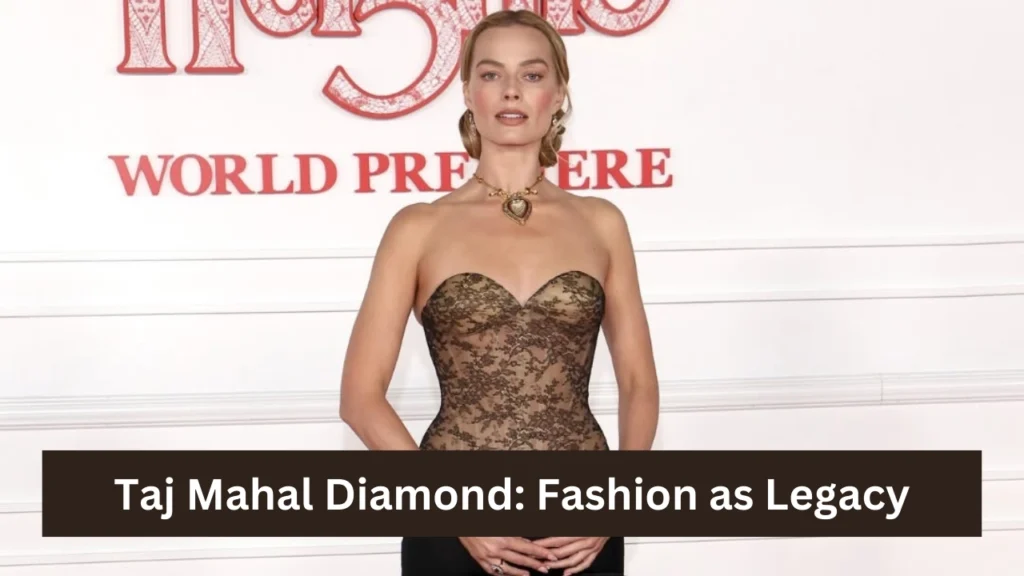
On January 28, 2026, the Los Angeles premiere of Wuthering Heights at the TCL Chinese Theatre became more than a cinematic celebration. It transformed into a moment where fashion, history, and feminine legacy converged in rare harmony. As Margot Robbie stepped onto the red carpet, the flash of cameras captured something extraordinary resting against her neckline: Elizabeth Taylor’s legendary Taj Mahal diamond necklace, a historic jewel valued at approximately eight million dollars, or nearly seventy-four crore rupees.
This was not merely a display of luxury. It was a moment layered with centuries of emotion, power, and storytelling. In an industry often driven by novelty, Robbie chose permanence. And in doing so, she reminded the world that fashion’s most powerful statements are often the quietest ones.
Taj Mahal Diamond: A Jewel Born From Devotion, Not Excess
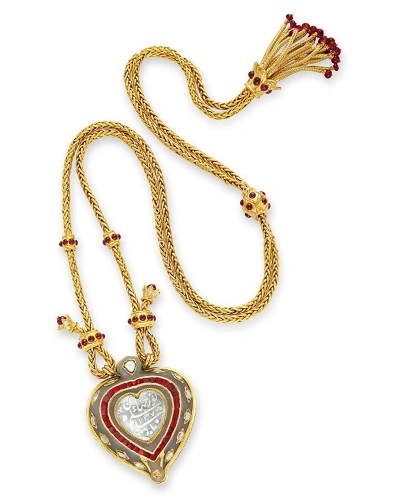
At the heart of the necklace lies a seventeenth-century, heart-shaped diamond engraved with the words “Love is Everlasting.” The inscription is neither decorative nor symbolic in a superficial sense; it is a declaration carved into stone, intended to outlive its owner.
The diamond’s origins are closely associated with the Mughal Empire, a dynasty renowned for its patronage of art, architecture, and poetry. The stone is believed to have belonged to Emperor Shah Jahan, whose love for his wife Mumtaz Mahal inspired the creation of the Taj Mahal itself. In this context, the diamond was not a trophy of power, but a personal emblem of attachment, grief, and eternal remembrance.
Unlike many historic jewels designed to assert dominance or wealth, this diamond spoke of emotion. Its heart shape and inscription reflected a belief that love was something worth preserving beyond mortality. That belief would travel across continents and centuries, carried forward by women who understood its resonance.
Elizabeth Taylor and Richard Burton: When Hollywood Met Mythology
The Taj Mahal diamond entered modern legend when Richard Burton gifted it to Elizabeth Taylor in 1972 for her fortieth birthday. Their relationship was one of Hollywood’s most public, passionate, and controversial romances. It was marked by intensity, excess, and emotional honesty, and the jewel was a reflection of that reality.
Elizabeth Taylor did not simply own jewelry; she embodied it. Each piece she wore became part of her narrative, and the Taj Mahal necklace held particular significance. She later had the diamond set into a Cartier chain, transforming it into a wearable object that balanced history with modern craftsmanship.
For Taylor, the necklace symbolized love that was unapologetic and consuming. It was not tidy or restrained, but it was real. Over time, the jewel became inseparable from her identity, carrying with it the memory of a woman who refused to dilute her emotions for the sake of convention.
Margot Robbie’s Choice: Fashion as Intention, Not Ornament
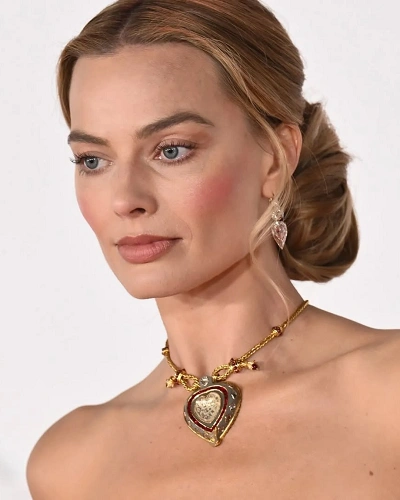
When Margot Robbie chose to wear this necklace to the premiere of Wuthering Heights, the decision felt deliberate rather than performative. By 2026, Robbie had long established herself as one of Hollywood’s most thoughtful figures, balancing commercial success with creative autonomy.
The film itself explores themes of obsessive love, emotional endurance, and the idea that passion can transcend time. The Taj Mahal diamond, with its inscription and lineage, mirrored these themes with remarkable clarity. Robbie did not merely accessorize her look; she extended the narrative of the film beyond the screen.
Her styling that evening was notably restrained. The gown allowed the necklace to remain the focal point, emphasizing the belief that when an object carries history, it needs no competition. The result was not theatrical excess, but quiet authority.
Why This Moment Resonated So Deeply With Women?
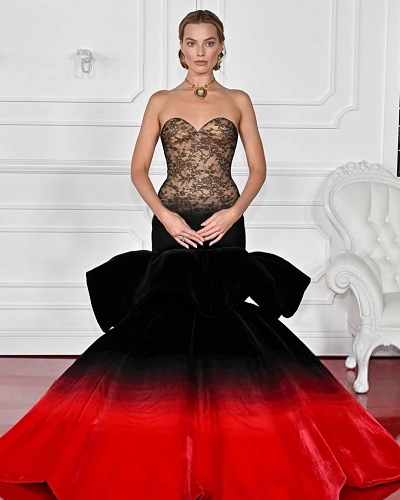
What made this appearance particularly powerful was its emotional accessibility. While the necklace itself is unattainable for most, its meaning is not. Women across cultures understand the significance of objects that carry memory, love, and inheritance.
The Taj Mahal necklace has passed through male hands, yet its emotional identity has always belonged to women. From Mughal queens to Elizabeth Taylor to Margot Robbie, the jewel has been shaped by women who saw love as a form of strength rather than vulnerability.
In wearing it, Robbie aligned herself with a lineage of women who embraced complexity. She demonstrated that femininity can be both romantic and commanding, that softness and authority are not opposites, but partners.
Quiet Revival of Heirloom Jewelry in Modern Fashion
Robbie’s appearance also reignited a broader cultural conversation about jewelry and permanence. In an age of fast fashion and fleeting trends, women are increasingly drawn to pieces that feel rooted and personal. Heirloom jewelry, vintage stones, and objects with stories are reclaiming relevance.
The appeal lies in continuity. A piece that has lived before you carries emotional depth. It connects generations, offering a sense of belonging rather than novelty. The Taj Mahal necklace is the ultimate expression of this idea, reminding women that what lasts is not always what shines the brightest, but what means the most.
Fashion as Legacy, Not Performance
This red-carpet moment stood apart because it resisted spectacle. It did not rely on shock or excess to command attention. Instead, it invited reflection. It asked viewers to consider fashion as an extension of personal philosophy rather than public display.
Margot Robbie did not disappear behind the necklace. She allowed it to converse with her presence, creating a dialogue between past and present. In doing so, she demonstrated that legacy is not inherited passively; it is chosen, respected, and carried forward with intention.
Final Thought
In the end, Margot Robbie’s appearance at the Wuthering Heights premiere will be remembered not for extravagance, but for its quiet depth. By choosing to wear Elizabeth Taylor’s Taj Mahal diamond necklace, she transformed a red-carpet moment into an act of remembrance and respect. The necklace did not overpower her presence; it conversed with it, linking centuries of love, loss, and devotion to a modern woman standing confidently in her own era.
This moment served as a reminder that true style is not about constant reinvention, but about awareness; of history, of emotion, and of the stories we choose to carry forward. Some jewels shine because of their carat weight. Others endure because of what they represent. The Taj Mahal diamond belongs to the latter, and on that night in Los Angeles, its message rang clear once more: love, when honored and remembered, is everlasting.
Source: The People
What’s Trending!
Why Riptie Hair Ties Is the New Hair Trend Women Are Loving in 2026?
5 Powerful Future Queens of Europe: How Gender Equal Succession Is Transforming Modern Monarchies?

Sydney Sweeney Drives American Eagle’s Inspiring Brand Evolution in 2026: Heritage Meets Hollywood.
Margot Robbie Wore Elizabeth Taylor’s $8 Million Taj Mahal Diamond at the Wuthering Heights Premiere?

Sunita Williams: 27 Years at NASA, 600+ Days in Space, and a Legacy That Redefines What Women Can Achieve.