Rise of Europe’s Future Queens
Across Europe, a quiet revolution is reshaping the future of monarchy. For centuries, royal succession was governed by male-preference primogeniture; a system that favored sons over daughters, even when daughters were older. Today, that tradition has been fundamentally transformed. Many European monarchies have adopted absolute primogeniture, ensuring that the firstborn child inherits the throne regardless of gender.
The result? A new generation of female heirs is poised to lead Europe’s royal houses; a historic shift that blends centuries-old tradition with modern ideals of equality.
A Reform Rooted in Equality
The move toward absolute primogeniture reflects broader societal changes across Europe. As democratic values evolved and gender equality became embedded in law and culture, monarchies; long seen as symbols of continuity, began to adapt.
Countries including Sweden, Norway, Belgium, the Netherlands, and Spain have all reformed succession laws in recent decades. The changes were not merely symbolic; they fundamentally altered the trajectory of royal futures.
If current lines of succession remain intact, the 21st century could witness an unprecedented number of reigning queens across Europe.
Spain: Future Queen in Waiting
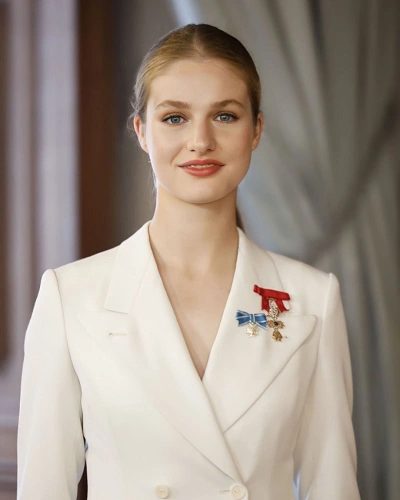
In Spain, the spotlight shines on Leonor, Princess of Asturias, the eldest daughter of King Felipe VI and Queen Letizia.
Although Spain’s constitution still technically favors male heirs, Leonor remains first in line because she has no brothers. As she undergoes rigorous military training and public engagements, she is being carefully prepared for her future role.
Her coming reign would mark a significant milestone; Spain has not had a reigning queen in modern constitutional times. Leonor represents a generational shift: multilingual, globally educated, and raised in a digital era, she embodies a monarchy increasingly attuned to transparency and public connection.
Belgium: Firstborn Heir to the Throne
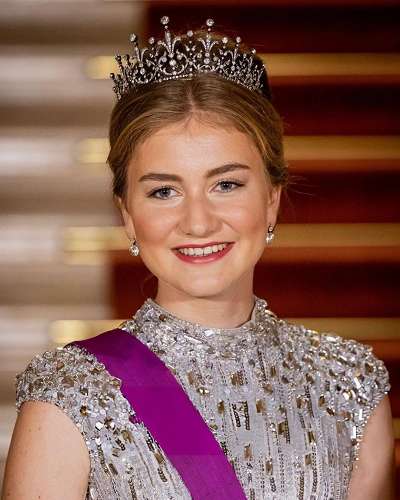
Belgium was among the earlier adopters of absolute primogeniture in 1991. As a result, Princess Elisabeth, Duchess of Brabant, the eldest child of King Philippe, stands firmly as heir apparent.
Educated at leading institutions and trained in military service, Elisabeth’s preparation reflects Belgium’s emphasis on both intellect and duty. When she ascends the throne, she will become Belgium’s first reigning queen.
Her path illustrates how succession reform has already borne tangible results: the crown no longer hinges on gender but on birth order alone.
Netherlands: Modern Crown Princess
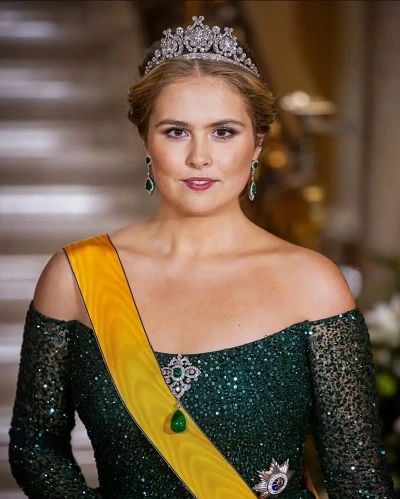
The Netherlands amended its succession laws in 1983, ensuring full gender equality. Today, Catharina Amalia, Princess of Orange, eldest daughter of King Willem Alexander and Queen Máxima, stands next in line.
The Dutch monarchy has long been comfortable with female rulers; the 20th century saw three consecutive reigning queens. Catharina-Amalia continues that legacy while navigating contemporary challenges, from public scrutiny to security concerns in a changing Europe.
Her education abroad and public engagements signal a monarchy keen to remain relevant, accessible, and globally engaged.
Norway: Reform That Changed History
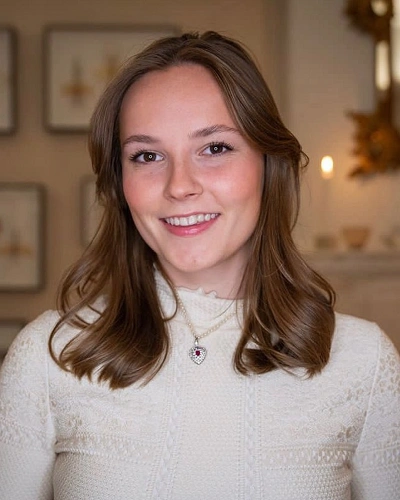
Norway adopted absolute primogeniture in 1990, though the reform applied only to those born after its enactment. Still, it confirmed Princess Ingrid Alexandra, daughter of Crown Prince Haakon, as second in line and future queen.
When Ingrid Alexandra eventually ascends the throne, she will become Norway’s second reigning queen in modern times. Her public image balances tradition; including military training and ceremonial duties, with a relatable, contemporary presence that resonates with younger generations.
Sweden: Pioneer of Change
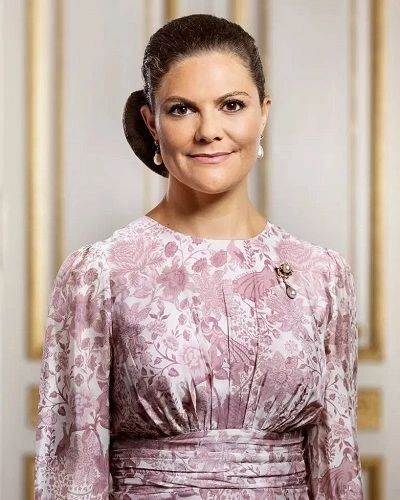
Sweden led the way. In 1980, it became the first European monarchy to introduce absolute primogeniture, a reform that dramatically altered succession.
The change confirmed Crown Princess Victoria as heir to the throne, even after the birth of her younger brother. Victoria’s position cemented the principle that birth order, not gender, determines succession.
When she succeeds her father, King Carl XVI Gustaf, she will become Sweden’s fourth queen regnant. Her long tenure as crown princess has already reshaped public expectations of royal leadership; emphasizing environmental advocacy, mental health awareness, and strong civic engagement.
Tradition Meets Transformation
These future queens are not revolutionaries seeking to dismantle monarchy. Rather, they represent its evolution.
They are educated internationally, trained in military service, and fluent in multiple languages. They are expected to safeguard constitutional frameworks, support charitable initiatives, and symbolize national unity. At the same time, they reflect societies that increasingly value equality, merit, and representation.
The symbolism is powerful: monarchies; among Europe’s oldest institutions, are aligning themselves with modern democratic principles.
21st Century Landscape of Queens
If the current lines of succession hold steady, Europe could see a remarkable alignment: Spain, Belgium, the Netherlands, Norway, and Sweden each potentially led by queens within the coming decades.
Such a concentration would be historically unprecedented in modern Europe.
While monarchy’s political power is largely ceremonial in these nations, its cultural influence remains significant. The rise of female sovereigns reinforces the message that institutions steeped in history can still adapt, and even lead; in matters of equality.
Final Thoughts
The transformation unfolding across Europe’s royal houses is about more than inheritance law; it is about legitimacy in the modern world. By embracing absolute primogeniture, monarchies have signaled that tradition does not have to stand in opposition to progress.
These future queens are being raised in an age defined by global connectivity, social awareness, and heightened public scrutiny. Their leadership will be shaped not only by ceremony and protocol, but by their ability to reflect the values of the societies they represent.
Should these lines of succession remain unchanged, the 21st century may well be remembered as the era when Europe’s thrones became symbols of gender equality as much as history. In palace corridors once dominated by kings-in-waiting, daughters now stand first in line; not as exceptions, but as rightful heirs. The crowns remain ancient. The message they carry is entirely contemporary.
What’s Trending!

Angelina Jolie’s Powerful Humanitarian Visit to the Rafah Crossing: A Message of Hope and Heart.

BLACKPINK Announces Comeback Album DEADLINE for February 27; And It Feels Like a Cultural Reset.
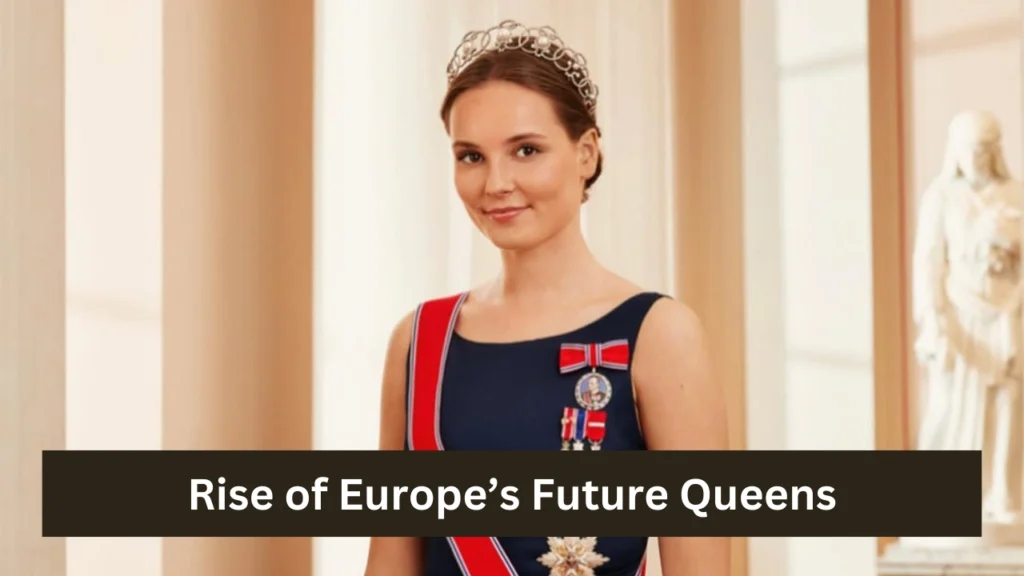
5 Powerful Future Queens of Europe: How Gender Equal Succession Is Transforming Modern Monarchies?

Margot Robbie Wore Elizabeth Taylor’s $8 Million Taj Mahal Diamond at the Wuthering Heights Premiere?

Why Riptie Hair Ties Is the New Hair Trend Women Are Loving in 2026?