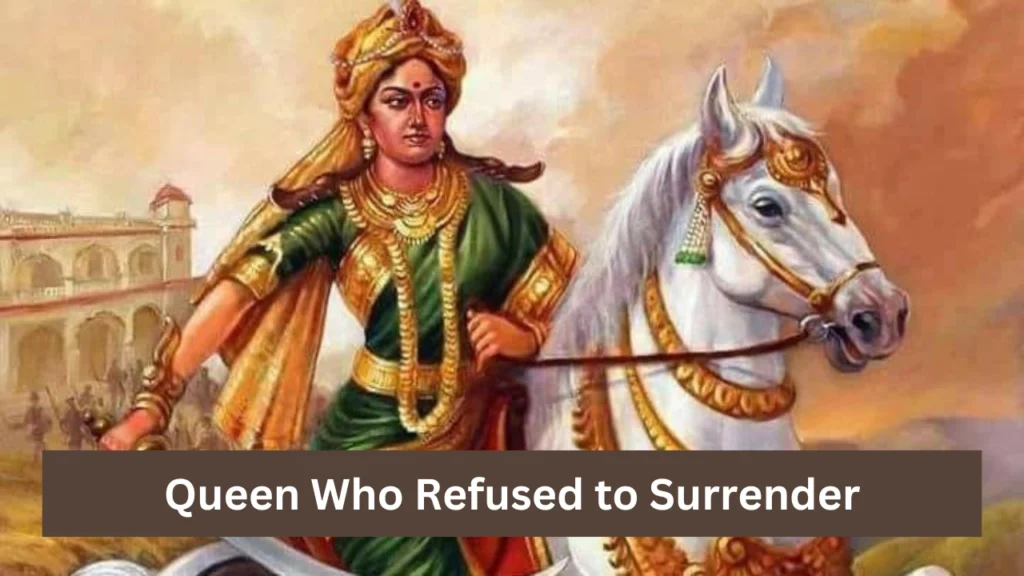
As India marked the 294th birth anniversary of Rani Velu Nachiyar, the nation paused to remember a woman whose courage, strategy, and leadership rewrote history long before the freedom movement took its modern form. Born on January 3, 1730, the queen of Sivaganga stands tall as India’s first female ruler to wage war against British colonial forces; a legacy that continues to empower women across generations.
On Saturday, Prime Minister Narendra Modi and Vice President C. P. Radhakrishnan led nationwide tributes, highlighting her extraordinary role in India’s early resistance to colonial rule. Leaders across political lines echoed the sentiment, celebrating Rani Velu Nachiyar as a symbol of resilience, bravery, and women’s strength.
A Queen Who Refused to Surrender
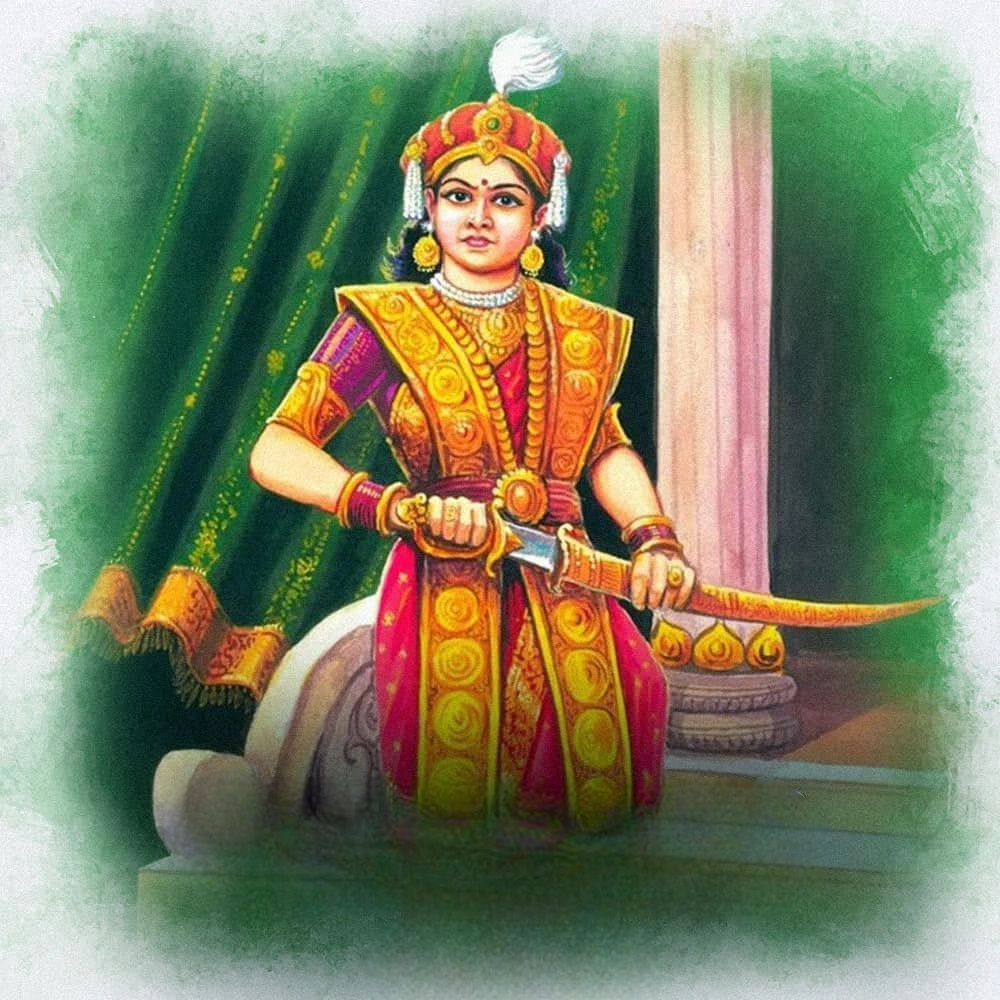
Rani Velu Nachiyar’s life changed dramatically in 1772 when British forces killed her husband, King Muthuvaduganatha Periyavudaya Thevar. Instead of yielding to grief or defeat, she chose resistance. Forced into exile, the queen spent eight determined years preparing her comeback, building alliances and sharpening her military strategy.
One of her most significant alliances was with Hyder Ali of Mysore, whose support helped her regroup and strengthen her forces. This period of exile was not a retreat; it was a calculated pause before reclaiming her rightful throne.
First Recorded Suicide Mission in Indian History
In 1780, Rani Velu Nachiyar made history. With the help of her trusted commander Kuyili, she launched a daring attack on British forces. Kuyili’s legendary self-sacrifice; destroying a British ammunition store, played a decisive role in defeating the colonizers. This act is widely regarded as the first recorded suicide mission in India’s freedom struggle.
The queen successfully reclaimed Sivaganga, proving that women were not just participants in history, but powerful leaders shaping it.
Why Rani Velu Nachiyar Matters to Women Today
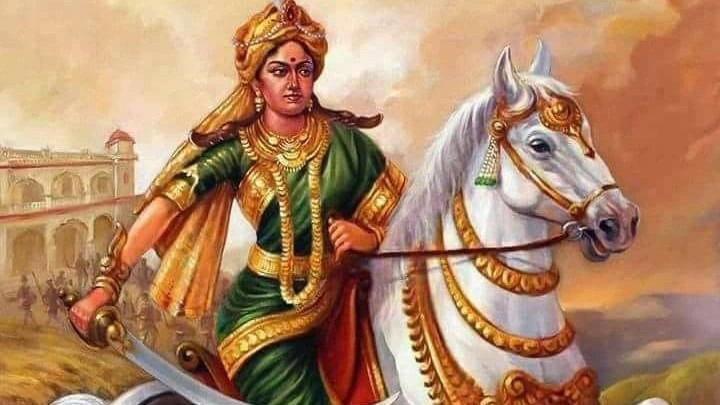
Prime Minister Modi, in his tribute, praised her courage, tactical mastery, and vision for self-rule, reminding the nation that India’s fight for freedom began long before 1857. For women today, Rani Velu Nachiyar represents:
- Leadership rooted in courage
- Strength forged through adversity
- Strategic intelligence alongside compassion
- Fearlessness in male-dominated spaces
Her legacy was formally recognized in 2008 with a commemorative postal stamp, but her true remembrance lives on in stories of women who dare to lead, resist injustice, and claim their power.
A Legacy Beyond Time
In an era where women continue to break barriers in politics, defense, entrepreneurship, and social change, Rani Velu Nachiyar’s story feels strikingly modern. She reminds us that women have always been warriors, tacticians, and nation-builders; history just didn’t always tell their stories loudly enough.
On her 294th birth anniversary, India doesn’t just honor a queen of the past. It celebrates a timeless icon of feminine strength, reminding every woman that courage, when paired with conviction, can change the course of history.
Final Thoughts
Rani Velu Nachiyar’s story is more than history; it’s a call to courage for every woman today. From facing personal loss to defeating a colonial power, she showed that determination, intelligence, and fearlessness know no gender. Her life reminds us that leadership is not inherited; it is forged through resilience, vision, and bold action.
As we celebrate her 294th birth anniversary, let her legacy inspire women across India and beyond to claim their power, challenge limitations, and lead with unwavering strength. Rani Velu Nachiyar proves that when women rise, history itself rises with them.
Source: DD News
What’s Trending!

Rashmika Mandanna and Vijay Deverakonda’s Dream Wedding in 2026: Celebration of Love and Culture.

RCB Women Script History: 204 Run Chase, a Sisterhood of Fire, and a Crown That Sparkles Louder Than Ever.

Ananya Birla Is Rewriting the Script: Inside the Launch of Birla Studios and the Future of Indian Cinema.

Palki Sharma Steps Down as Firstpost Managing Editor: Bold Exit and the Future of Digital Journalism.

RCB Stars Shine on the Red Carpet Amid WPL Playoff Clinch 2026: Glamour, Grit and the Hunger for Silverware.