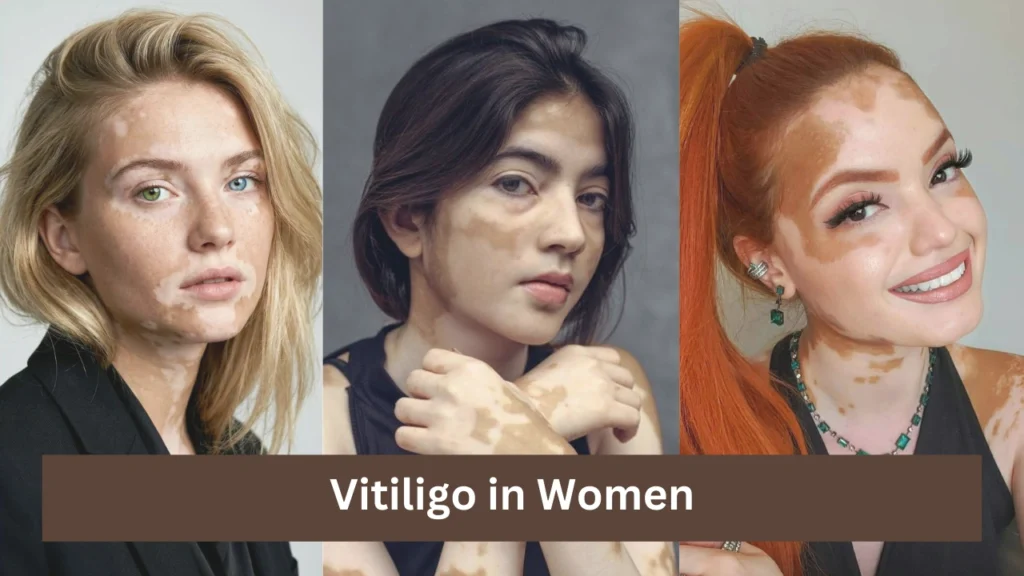
Vitiligo in Women
For many, skin is more than just appearance; it’s identity, culture, confidence, and self-expression. That’s why conversations around vitiligo in women deserve both sensitivity and visibility. Across social media and in everyday life, women with vitiligo are challenging beauty norms and redefining what it means to feel confident in your own skin. From stories of beautiful vitiligo women embracing their unique patterns to honest discussions about the symptoms of vitiligo in women and the often misunderstood causes of vitiligo in women, awareness is growing.
Whether it’s vitiligo in white women, vitiligo in black women, or moments when women with vitiligo goes viral for proudly showing their natural skin, representation matters. Questions like is vitiligo more common in men or women continue to spark curiosity, while specific experiences such as vitiligo around eyes and vitiligo around mouth highlight the deeply personal nature of the condition. Beyond the physical changes, the conversation must also include vitiligo mental health, because living with visible skin differences can deeply impact confidence, relationships, and emotional well-being.
What Is Vitiligo?
Vitiligo is a chronic autoimmune condition in which the immune system mistakenly attacks melanocytes; the cells responsible for producing melanin (skin pigment). As a result, white patches develop on the skin. These patches can appear anywhere on the body, including the face, hands, arms, feet, and even areas like the scalp or lips.
Vitiligo affects people of all skin tones, but it is often more noticeable in women with darker complexions due to the contrast between normal and depigmented skin.
It is important to know:
- Vitiligo is not contagious
- It is not caused by poor hygiene
- It is not life-threatening
- It can affect women at any age, though it often begins before age 30
Also Read: Men with Vitiligo
Why Vitiligo Can Feel Different for Women?
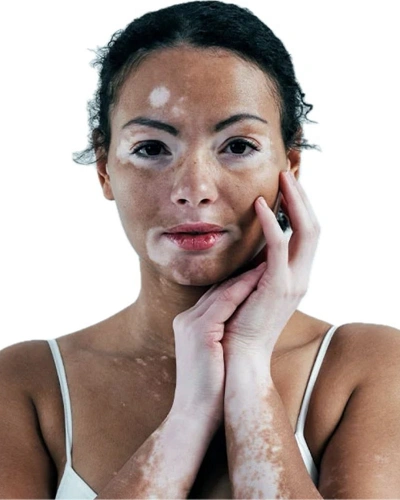
While vitiligo affects both men and women, women often face unique challenges:
1. Social and Cultural Pressures
In many cultures, clear and even toned skin is unfairly associated with beauty and desirability. Women may experience:
- Increased self-consciousness
- Fear of judgment
- Pressure in marriage or dating
- Workplace anxiety
2. Emotional Impact
Women are statistically more likely to experience anxiety and depression related to visible skin conditions. Vitiligo can lead to:
- Low self-esteem
- Social withdrawal
- Body image struggles
- Fear of stigma
3. Hormonal Influences
Although vitiligo is not directly caused by hormones, hormonal changes during:
- Puberty
- Pregnancy
- Menopause
may sometimes influence immune system behavior and potentially affect disease progression.
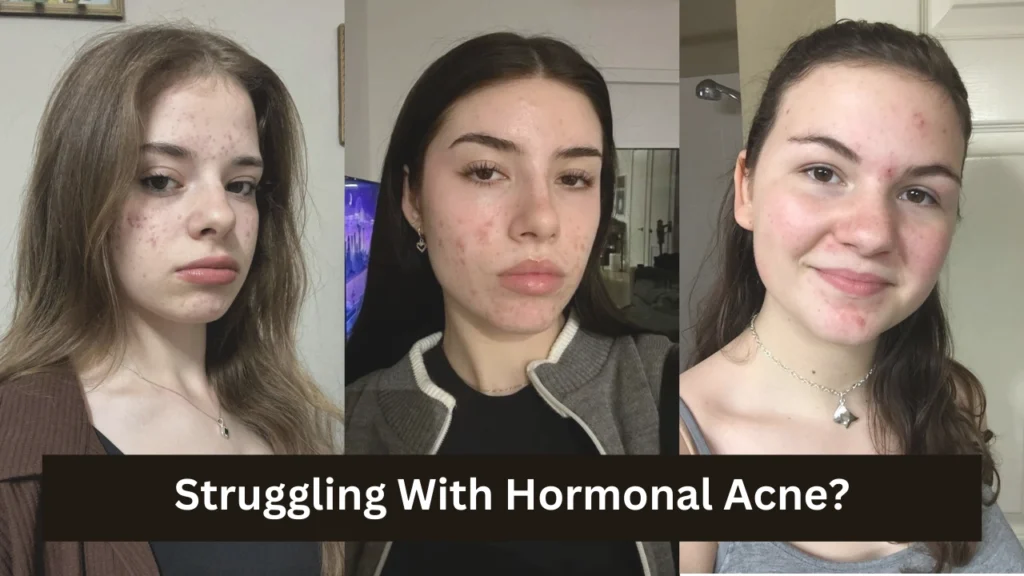
Also Read: Hormonal Nature of Acne in Women
Types of Vitiligo in Women
For women especially, changes in visible areas of the body can influence everything from self-image to social comfort. While vitiligo can appear anywhere on the body, certain areas come with unique challenges, both physically and emotionally.
1. Vitiligo Around the Mouth
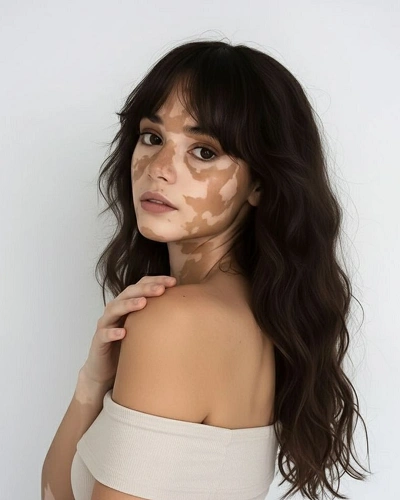
Root Cause: Autoimmune melanocyte destruction
Key Symptoms: White patches near lips
Treatment Options: Topical steroids, light therapy
Emotional Impact: Self-conscious about facial appearance
Care Tips: Use gentle lip care
Facial involvement is one of the most noticeable forms of vitiligo in women. Around the mouth, depigmentation can affect confidence, especially during conversations or when wearing lipstick. Early treatment may help stabilize pigment loss.
2. Vitiligo on the Hands
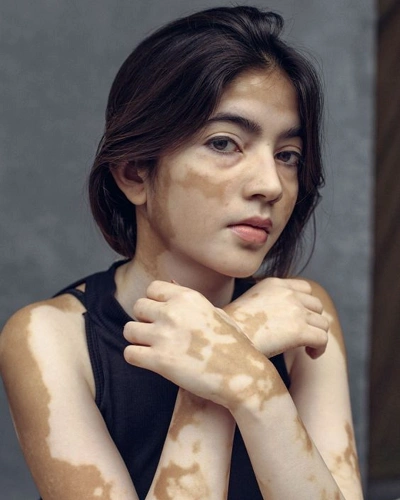
Root Cause: Autoimmune pigment cell damage
Key Symptoms: Depigmented finger, knuckle patches
Treatment Options: Phototherapy, topical immunomodulators
Emotional Impact: Visible during daily interactions
Care Tips: Regular sunscreen application
Hand involvement is very common in vitiligo in women, particularly because hands are constantly exposed. Treatment response may be slower here, but consistent therapy improves outcomes.
3. Vitiligo on the Feet
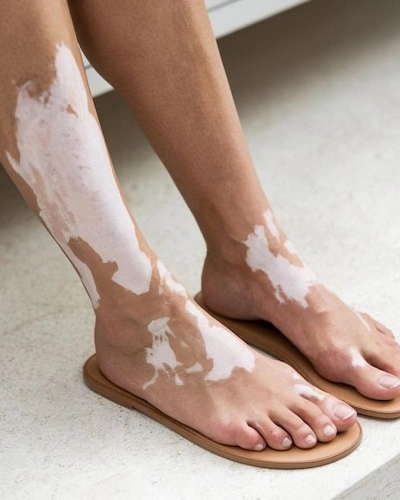
Root Cause: Immune-triggered pigment loss
Key Symptoms: White patches on toes
Treatment Options: Narrowband UVB therapy
Emotional Impact: Hesitant wearing open footwear
Care Tips: Moisturize and sun protect
Though less visible than facial areas, vitiligo on the feet can still affect confidence, especially in warm climates where sandals are common. Comfortable footwear and consistent skin care can prevent irritation.
4. Vitiligo on the Neck
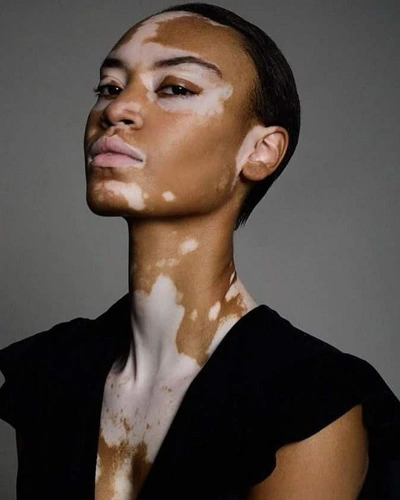
Root Cause: Autoimmune skin depigmentation
Key Symptoms: Irregular light neck patches
Treatment Options: Steroids, excimer laser
Emotional Impact: Difficulty hiding affected areas
Care Tips: Avoid harsh jewelry friction
The neck is difficult to conceal and sensitive to friction from clothing and accessories. Early intervention often improves repigmentation outcomes in this area.
5. Vitiligo on the Scalp
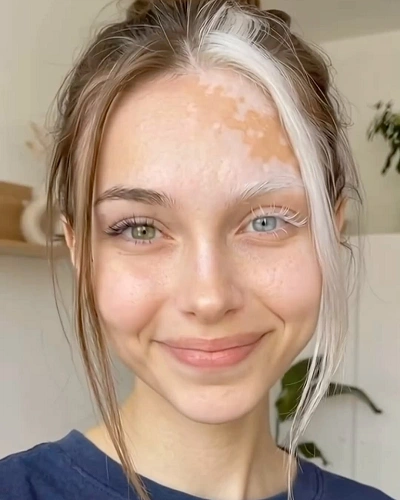
Root Cause: Immune attack on melanocytes
Key Symptoms: White scalp, hair graying
Treatment Options: Topical steroids, phototherapy
Emotional Impact: Hair color contrast concerns
Care Tips: Use mild hair products
When vitiligo affects the scalp, it can lead to premature graying (poliosis). Some women choose hair coloring, while others embrace the unique streaks as a bold style statement.
6. Vitiligo in the Beard Area
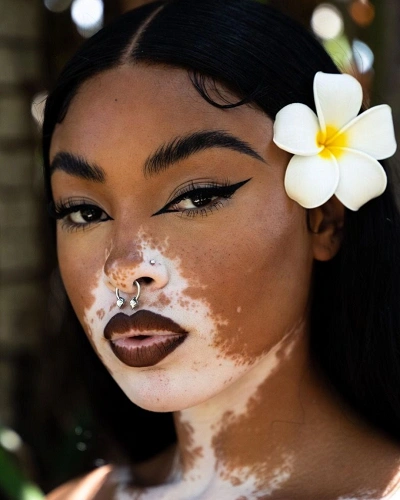
(Relevant for women with facial hair or hormonal hair growth conditions)
Root Cause: Autoimmune pigment cell loss
Key Symptoms: Patchy depigmented facial areas
Treatment Options: Topical creams, light therapy
Emotional Impact: Heightened facial self-awareness
Care Tips: Gentle hair removal methods
Women with hormonal imbalances such as PCOS may notice vitiligo in areas with thicker hair growth. Dermatologist-guided care ensures safe treatment without irritating sensitive facial skin.
7. Vitiligo on the Chest
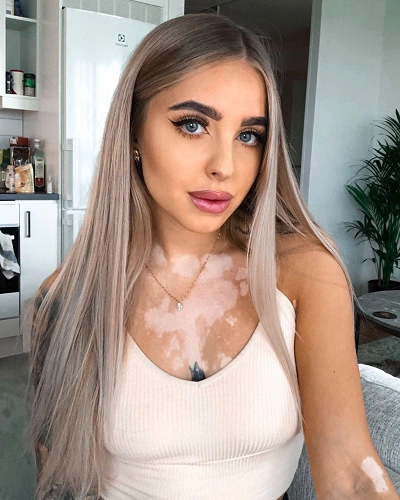
Root Cause: Autoimmune skin disorder
Key Symptoms: Symmetrical white chest patches
Treatment Options: UVB therapy, corticosteroids
Emotional Impact: Body image concerns
Care Tips: Wear breathable fabrics
The chest area can be emotionally sensitive, particularly in intimate relationships. Open communication and self-acceptance play important roles alongside medical treatment.
8. Vitiligo on the Back
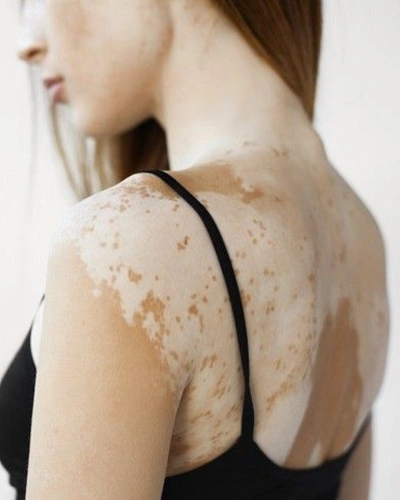
Root Cause: Immune-mediated melanocyte destruction
Key Symptoms: Large spreading back patches
Treatment Options: Light therapy sessions
Emotional Impact: Swimsuit confidence issues
Care Tips: Consistent sunscreen use
Back patches may go unnoticed initially but can spread over time. Because this area responds relatively well to phototherapy, early diagnosis improves results.
9. Vitiligo in the Genital Area
Root Cause: Autoimmune pigment cell loss
Key Symptoms: Depigmented intimate skin areas
Treatment Options: Mild topical medications
Emotional Impact: Intimacy and confidence concerns
Care Tips: Avoid chemical irritants
This form can cause anxiety, especially in romantic relationships. However, it is not contagious and does not affect sexual health. Sensitive skin requires mild, dermatologist-prescribed treatments.
10. Vitiligo Around the Ears
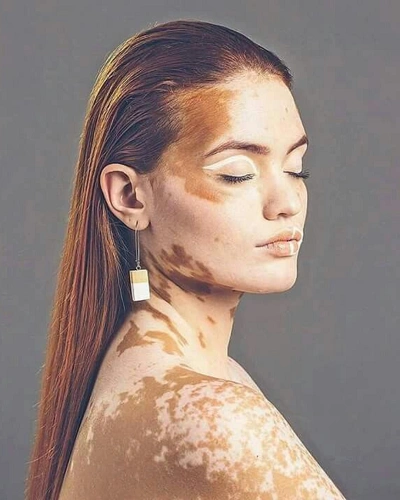
Root Cause: Localized immune response
Key Symptoms: White patches near ears
Treatment Options: Topical steroids, laser
Emotional Impact: Hairstyle confidence changes
Care Tips: Protect from sun exposure
When vitiligo in women appears around the ears, it may extend toward the hairline. Sun protection and gentle hair care products can prevent further irritation.
11. Vitiligo Around the Eyes

Root Cause: Autoimmune melanocyte destruction
Key Symptoms: White patches on eyelids
Treatment Options: Mild topical calcineurin inhibitors
Emotional Impact: Increased facial self-consciousness
Care Tips: Use gentle eye products
Vitiligo around the eyes is particularly delicate because the skin here is thin and sensitive. Women may feel uncomfortable without eye makeup, while others choose to embrace their natural look. Treatment must be carefully supervised to avoid irritation.
12. Vitiligo on the Arms
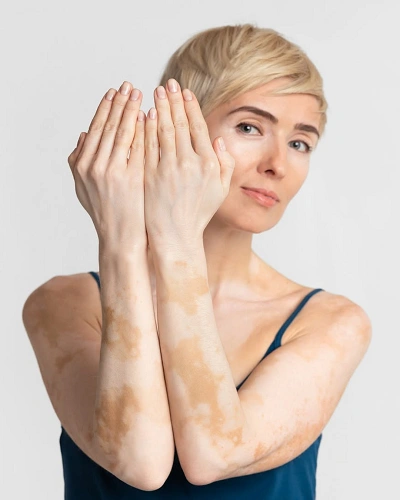
Root Cause: Immune-triggered pigment loss
Key Symptoms: Patchy forearm depigmentation
Treatment Options: Narrowband UVB therapy
Emotional Impact: Hesitation wearing sleeveless outfits
Care Tips: Daily broad-spectrum sunscreen
Arms are frequently exposed to sunlight, which can make depigmented patches more noticeable due to tanning of surrounding skin. Consistent sun protection helps reduce contrast and prevents sunburn.
13. Vitiligo on the Abdomen

Root Cause: Autoimmune skin depigmentation
Key Symptoms: Light abdominal skin patches
Treatment Options: Topical steroids, phototherapy
Emotional Impact: Body image sensitivity
Care Tips: Wear soft breathable fabrics
Vitiligo on the abdomen may spread gradually. Though often hidden under clothing, it can affect confidence in swimwear or intimate settings. Early treatment may improve repigmentation outcomes.
14. Vitiligo on the Inner Thighs

Root Cause: Autoimmune pigment cell damage
Key Symptoms: Symmetrical inner thigh patches
Treatment Options: Prescription topical medications
Emotional Impact: Intimacy-related anxiety concerns
Care Tips: Reduce friction irritation
This area is prone to friction, sweating, and sensitivity, which can sometimes worsen irritation. Choosing loose clothing and maintaining dryness can help prevent additional skin stress.
15. Vitiligo on the Fingers
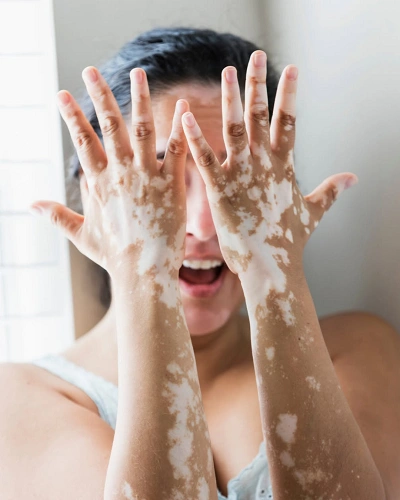
Root Cause: Immune-mediated melanocyte destruction
Key Symptoms: White patches on fingertips
Treatment Options: Excimer laser, phototherapy
Emotional Impact: Noticeable during hand gestures
Care Tips: Moisturize and sun protect
Fingers are one of the more treatment-resistant areas due to limited melanocyte reservoirs. However, cosmetic camouflage techniques and nail styling often help women feel more confident.
16. Generalized Vitiligo (Whole Body)

Root Cause: Systemic autoimmune melanocyte destruction
Key Symptoms: Widespread symmetrical depigmented patches
Treatment Options: Narrowband UVB full-body therapy
Emotional Impact: Major self-image adjustment
Care Tips: Consistent dermatological monitoring
Generalized vitiligo is the most common presentation of vitiligo in women and can affect large areas across the body. It may progress gradually over time. While there is no permanent cure, full-body phototherapy and immune-modulating treatments can help stabilize and sometimes restore pigment.
17. Universal Vitiligo (Nearly Entire Body)
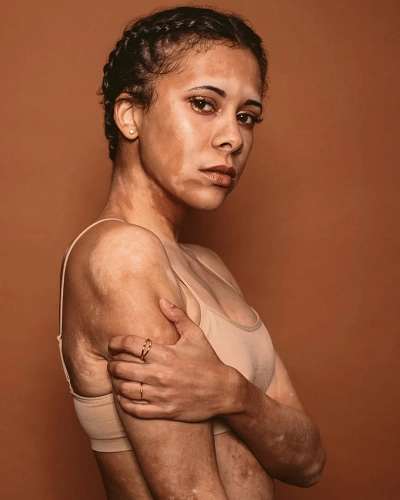
Root Cause: Extensive autoimmune pigment loss
Key Symptoms: Near-total skin depigmentation
Treatment Options: Depigmentation therapy options
Emotional Impact: Profound identity transformation
Care Tips: Strict lifelong sun protection
Universal vitiligo is rare but represents one of the most extensive forms of vitiligo in women, resulting in almost complete pigment loss. Some women choose depigmentation therapy to create an even skin tone. Emotional resilience and strong support systems are especially important.
18. Segmental Vitiligo in Women
Root Cause: Localized neural-immune interaction
Key Symptoms: One-sided body depigmented patches
Treatment Options: Early laser intervention
Emotional Impact: Asymmetry-related confidence concerns
Care Tips: Seek early treatment
Segmental patterns are another recognized variation of vitiligo in women, typically appearing on one side of the body. This form often stabilizes after an initial spreading phase, and early treatment improves outcomes.
19. Acrofacial Vitiligo in Women
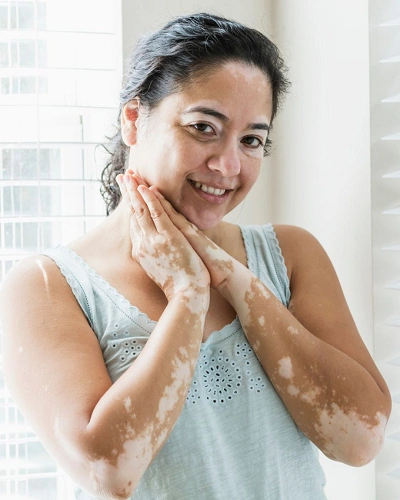
Root Cause: Autoimmune targeting extremities
Key Symptoms: Face, hands depigmentation
Treatment Options: Targeted phototherapy sessions
Emotional Impact: Highly visible appearance changes
Care Tips: Daily sunblock application
Acrofacial vitiligo affects the face, hands, and feet; areas most visible in daily interactions. This visible form of vitiligo in women can strongly influence confidence, but consistent treatment and sun care help manage contrast.
20. Mixed Vitiligo in Women
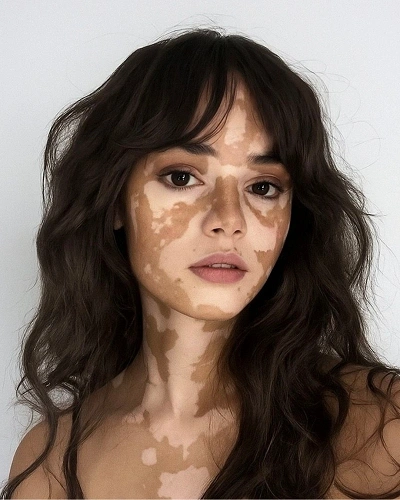
Root Cause: Combination autoimmune mechanisms
Key Symptoms: Segmental and generalized patches
Treatment Options: Customized combination therapy
Emotional Impact: Unpredictable progression anxiety
Care Tips: Regular dermatologist follow-ups
Mixed presentations combine multiple patterns, making this form of vitiligo in women more complex to manage. A personalized treatment plan and regular monitoring are essential for stabilization.
Skincare and Beauty Tips for Women with Vitiligo
Caring for vitiligo-affected skin requires gentleness and protection.
1. Sun Protection Is Essential
Depigmented areas lack melanin and burn more easily. Use:
- Broad-spectrum SPF 30 or higher
- Protective clothing
- Hats and sunglasses
2. Camouflage Makeup
Specialized cosmetic products can:
- Even out skin tone
- Boost confidence for special occasions
- Be waterproof and long-lasting
Many women find empowerment in choosing whether to cover or embrace their patches.
3. Gentle Skincare
Avoid harsh products that may irritate skin. Stick to:
- Mild cleansers
- Fragrance-free moisturizers
- Dermatologist-approved skincare
Relationships, Dating and Self-Confidence
Many women worry about how vitiligo will affect romantic relationships. While fear of rejection is real, healthy relationships are built on much more than skin tone.
Open communication often reduces anxiety. Confidence tends to grow when women:
- Accept their condition
- Focus on strengths beyond appearance
- Surround themselves with supportive partners and friends
Remember: the right person values you for your whole self.
Final Thoughts
At its core, the story of vitiligo in women is not just about pigmentation; it’s about resilience, visibility, and self-acceptance. Every journey is different, whether navigating the symptoms of vitiligo in women, exploring the causes of vitiligo in women, or coping with vitiligo around eyes and vitiligo around mouth in a world that often fixates on appearance. The strength of women with vitiligo, from everyday individuals to beautiful vitiligo women who inspire millions online when women with vitiligo goes viral, reminds us that beauty standards are evolving.
Conversations about vitiligo in white women, vitiligo in black women, and even questions like is vitiligo more common in men or women all lead back to one powerful truth: representation fosters understanding. And as awareness grows, prioritizing vitiligo mental health and openly discussing vitiligo mental health ensures that support extends beyond the skin; empowering women everywhere to embrace their uniqueness with confidence and pride.
FAQs: Vitiligo in Women
1. How to recover from vitiligo in women?
There is no permanent cure for vitiligo in women, but early treatment can help control and sometimes restore pigmentation. Options include topical creams, phototherapy, and newer immune-modulating treatments. Managing stress and seeking emotional support are also important in dealing with vitiligo in women.
2. Which food to avoid in vitiligo?
There is no strict diet plan for vitiligo in women, but reducing processed foods, excessive junk food, and alcohol may help overall skin health. A balanced diet rich in antioxidants, Vitamin B12, Vitamin D, zinc, and copper supports the body’s immune function.
3. What are the first signs of vitiligo in women?
The early signs of vitiligo in women include small white or pale patches on the skin, often around the mouth, eyes, hands, or feet. Hair in affected areas may turn gray. These patches are painless and usually spread gradually.
4. Can you live a normal life with vitiligo?
Yes, women diagnosed with vitiligo in women can live completely normal and healthy lives. The condition is not contagious or life-threatening and does not affect fertility or lifespan. Confidence and awareness help overcome social stigma.
5. Can I marry a girl who has vitiligo?
Yes, marrying someone with vitiligo in women poses no health risk. Vitiligo is not contagious and does not affect pregnancy or married life. It is simply a skin pigmentation condition, not a barrier to relationships.
6. What is stage 1 of vitiligo?
Stage 1 of vitiligo in women refers to the early phase when small, localized white patches appear on limited areas of the skin. Progression is usually mild at this stage. Early medical care can help control spreading and improve outcomes.
7. Is vitiligo in women hereditary?
Vitiligo in women can have a genetic component, but it is not strictly hereditary. If a family member has vitiligo, the risk may be slightly higher, but many women develop it without any family history. Environmental and autoimmune factors also play a major role.
8. Does stress trigger vitiligo in women?
Stress is not a direct cause, but emotional or physical stress may trigger or worsen vitiligo in women in some cases. Since it is an autoimmune condition, stress can influence immune responses. Managing stress through relaxation and self-care can be beneficial.
9. Is vitiligo in women painful or itchy?
In most cases, vitiligo in women is not painful or itchy. The condition mainly causes loss of skin pigment without discomfort. However, some women may experience mild sensitivity before new patches appear.
10. Can vitiligo in women spread over time?
Yes, vitiligo in women can spread gradually, especially in the generalized type. The rate of spread varies from person to person; some experience slow changes, while others may see faster progression. Early treatment can help stabilize it.
11. Can makeup cover vitiligo in women?
Yes, cosmetic camouflage products can effectively cover patches caused by vitiligo in women. Waterproof and long-lasting concealers are available specifically for skin conditions. Many women use makeup confidently while also undergoing medical treatment.
What’s Trending!
Shocking 25 Skin Problems for Women: Ugly Side of Feminine No One Talks About.
Barrier Repair Skincare for Women Explained: The #1 Trend Dermatologists Want Women to Know.
Exosome Skincare Explained: Luxury Anti Aging Trend Women Can’t Stop Searching.
Glass Skin 2.0: Modern Korean Skincare Trends Women Are Obsessed With, in 2026.
20 Types of Vitiligo in Women: Causes, Symptoms, Treatment & Care Guide.