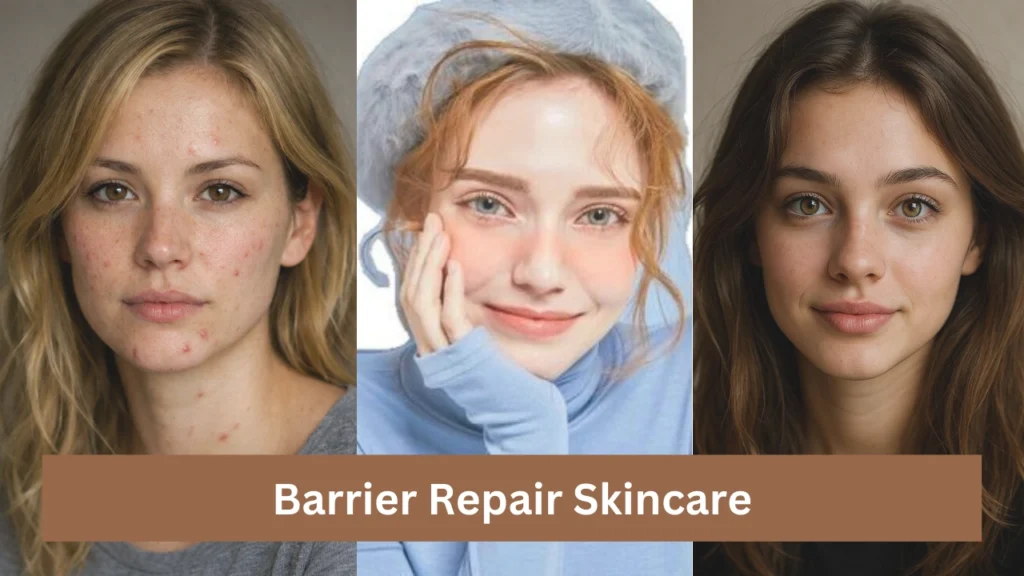
Skin Problems for Women
Taking care of our skin can often feel like a full-time job, especially when dealing with skin problems for women. From teenage years to adulthood, many experience common skin problems for women that range from acne to dryness, pigmentation, or sensitivity. Understanding female skin problems is essential because a woman face skin problems can affect not just appearance but confidence and overall well-being.
Many ladies skin problems stem from changes in hormones, lifestyle, and even health problems affecting women, making it crucial to be aware of female skin conditions. By recognizing patterns in skin problems and hormones, you can better address skin problems for face and overall skin health.
This guide will explore skin problems in women, providing a list of skin issues and a comprehensive list of all skin problems to help you identify, prevent, and manage them effectively.
1. Adult Acne

Root Cause: Hormonal imbalance, stress, poor diet
Treatment: Topical retinoids, antibiotics, hormonal therapy
Products to Use: Salicylic acid cleansers, benzoyl peroxide creams, niacinamide serums
Prevention Tips: Maintain clean skin routine, balanced diet, stress management
Professional Help: Dermatologist for hormonal evaluation
Acne is often wrongly assumed to be a teenage problem, but adult women frequently struggle with breakouts, especially around the jawline and chin. Hormonal fluctuations during menstruation, pregnancy, or menopause often trigger these outbreaks. Stress and diet, particularly sugar and dairy, can exacerbate the condition. While OTC products can help manage minor acne, persistent breakouts often require medical evaluation and targeted treatments like topical retinoids or hormonal therapy.
Also Read: Hormonal Nature of Acne in Women
2. Dark Circles and Under Eye Bags

Root Cause: Lack of sleep, genetics, dehydration
Treatment: Cold compress, chemical peels, fillers
Products to Use: Eye creams with caffeine, hyaluronic acid, vitamin K
Prevention Tips: Adequate sleep, hydration, reduced screen time
Professional Help: Dermatologist or cosmetic specialist
Dark circles and under-eye bags are a common cosmetic concern that affect self-esteem. While genetics play a role, lifestyle factors such as sleep deprivation, chronic stress, and excessive screen time often intensify their appearance. Treatments range from topical creams that improve blood circulation to professional interventions like chemical peels or dermal fillers for severe cases. Prevention through lifestyle adjustments often yields the best long-term results.
3. Hyperpigmentation
Root Cause: Sun exposure, hormonal changes, inflammation
Treatment: Chemical peels, laser therapy, topical bleaching agents
Products to Use: Vitamin C serums, niacinamide creams, sunscreen
Prevention Tips: Sun protection, avoid picking skin, gentle skincare
Professional Help: Dermatologist for laser treatment or prescription creams
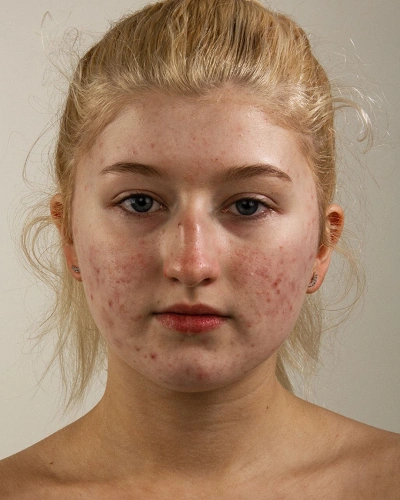
Hyperpigmentation manifests as dark spots or patches on the skin and can occur due to hormonal changes, sun exposure, or skin trauma. It’s especially common in women experiencing melasma during pregnancy or hormonal therapy. While topical products like vitamin C and niacinamide can gradually fade dark spots, professional treatments such as chemical peels or laser therapy offer faster and more noticeable results. Consistent sun protection is essential to prevent further pigmentation.
4. Dry and Dehydrated Skin
Root Cause: Aging, hormonal shifts, harsh products
Treatment: Hydrating masks, moisturizers, hyaluronic acid therapy
Products to Use: Creams with ceramides, shea butter, aloe vera gel
Prevention Tips: Gentle cleansing, regular moisturizing, avoid hot showers
Professional Help: Dermatologist for prescription moisturizers or barrier repair therapy
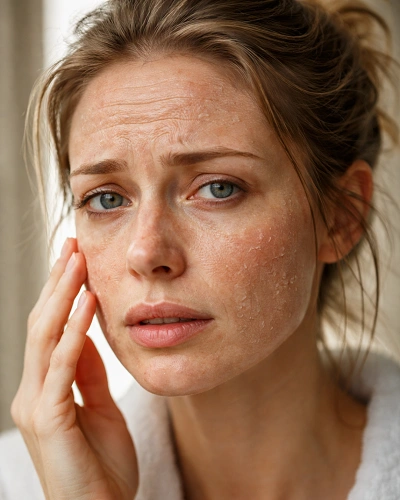
Many women struggle with dry skin, especially as they age or experience hormonal fluctuations. Dehydrated skin often feels tight, flaky, and uncomfortable, and harsh skincare products or excessive washing can worsen it. Regular use of hydrating products containing hyaluronic acid, ceramides, or natural emollients can restore moisture balance. For persistent dryness, professional evaluation can identify underlying conditions such as eczema or thyroid issues.
5. Adult Eczema (Atopic Dermatitis)
Root Cause: Genetics, immune dysfunction, allergens
Treatment: Topical corticosteroids, moisturizers, immunomodulators
Products to Use: Hypoallergenic creams, ceramide-based moisturizers, soothing balms
Prevention Tips: Avoid triggers, moisturize regularly, use gentle cleansers
Professional Help: Dermatologist for prescription treatment
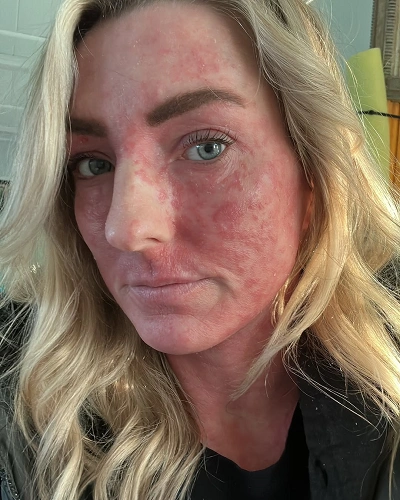
Eczema isn’t just a childhood condition; it can flare up in adulthood due to genetics, immune system sensitivity, or exposure to irritants. Symptoms include redness, itching, and dry patches, which can be painful and socially distressing. While OTC moisturizers and gentle skincare can alleviate mild symptoms, severe or persistent eczema often requires prescription creams or immune-modulating treatments. Avoiding allergens and irritants and following a consistent skincare routine are key preventive measures.
6. Oily Skin and Enlarged Pores
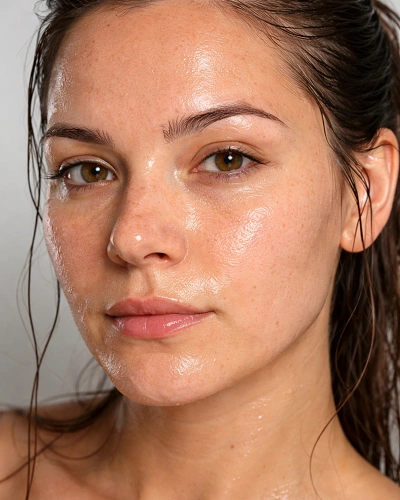
Root Cause: Hormonal imbalance, genetics, excess sebum
Treatment: Oil-control cleansers, retinoids, chemical peels
Products to Use: Clay masks, salicylic acid toners, lightweight moisturizers
Prevention Tips: Gentle cleansing, avoid heavy creams, regular exfoliation
Professional Help: Dermatologist for prescription treatments or pore-minimizing procedures
Oily skin is a common concern for many women, especially during hormonal fluctuations such as menstruation or pregnancy. Overactive sebaceous glands cause shine, acne breakouts, and visibly enlarged pores. While maintaining a consistent cleansing routine and using oil-controlling products can help, severe cases may require dermatological interventions like prescription retinoids or professional chemical peels. Managing oily skin effectively also prevents long-term pore enlargement and skin congestion.
7. Rosacea and Facial Redness
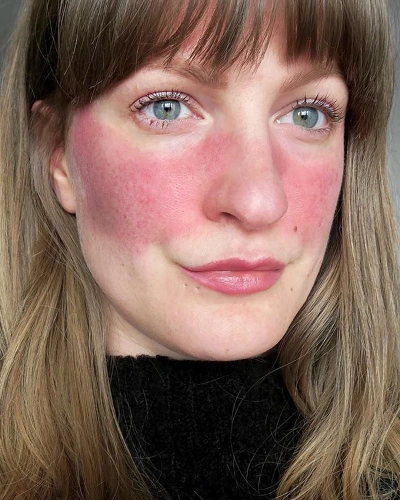
Root Cause: Genetics, sun exposure, triggers like spicy food
Treatment: Topical antibiotics, laser therapy, anti-inflammatory creams
Products to Use: Gentle cleansers, green-tinted primers, soothing creams
Prevention Tips: Avoid triggers, sunscreen, gentle skincare
Professional Help: Dermatologist for laser treatment or prescription therapy
Rosacea is an often misunderstood condition that primarily affects women over 30, causing persistent redness, visible blood vessels, and sometimes acne like bumps. Triggers include sun, stress, alcohol, and certain foods. While makeup can temporarily camouflage redness, effective treatment often requires medical interventions such as topical antibiotics, anti-inflammatory creams, or laser therapy. Gentle, fragrance-free skincare and sun protection are critical to prevent flare-ups.
8. Uneven Texture and Rough Skin
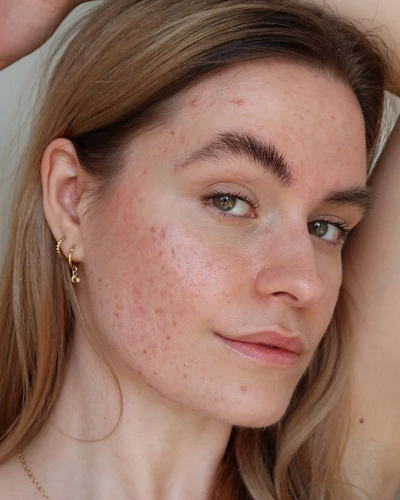
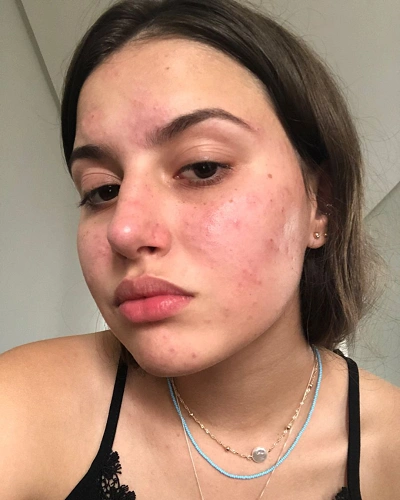
Root Cause: Dead skin buildup, aging, sun damage
Treatment: Chemical exfoliation, microdermabrasion, retinoid creams
Products to Use: AHA/BHA exfoliants, vitamin C serums, hydrating moisturizers
Prevention Tips: Regular exfoliation, sunscreen, hydration
Professional Help: Dermatologist for chemical peels or professional resurfacing
Uneven texture often goes unnoticed until touched or seen up close. Rough patches, bumpy skin, and dullness can be caused by dead skin buildup, sun exposure, or age-related collagen loss. At-home exfoliation with AHAs or BHAs helps smooth skin, while professional treatments like microdermabrasion or chemical peels offer deeper resurfacing. Regular hydration and sun protection prevent further roughness and maintain a soft, glowing complexion.
9. Stretch Marks and Skin Sagging

Root Cause: Pregnancy, weight changes, hormonal shifts
Treatment: Retinoids, laser therapy, microneedling
Products to Use: Cocoa butter, hyaluronic acid creams, collagen-boosting serums
Prevention Tips: Moisturize consistently, gradual weight management, hydration
Professional Help: Dermatologist for laser or microneedling treatments
Stretch marks and sagging are natural skin changes caused by rapid stretching of the skin due to pregnancy, weight gain/loss, or hormonal changes. While common, they can be a source of insecurity for many women. Topical creams with retinoids, collagen boosters, and hyaluronic acid may help improve texture and elasticity, but professional interventions like laser therapy or microneedling deliver more dramatic results. Preventive care focuses on consistent moisturization and gradual weight management.
10. Adult Psoriasis
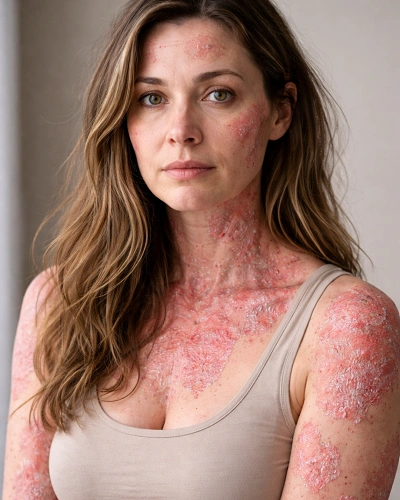
Root Cause: Autoimmune dysfunction, stress, genetics
Treatment: Topical corticosteroids, phototherapy, systemic medication
Products to Use: Coal tar creams, moisturizing ointments, medicated shampoos
Prevention Tips: Moisturize, avoid triggers, stress management
Professional Help: Dermatologist for systemic or phototherapy treatments
Psoriasis is a chronic autoimmune skin condition that can appear or persist into adulthood. It causes red, scaly patches that can be itchy, painful, and visible on areas like elbows, knees, and scalp. Stress, weather, and certain medications often trigger flare-ups. Over-the-counter creams may help mild cases, but persistent or severe psoriasis usually requires prescription treatment or phototherapy. Moisturizing regularly and managing triggers are crucial for prevention and symptom control.
11. Sensitive Skin and Irritation
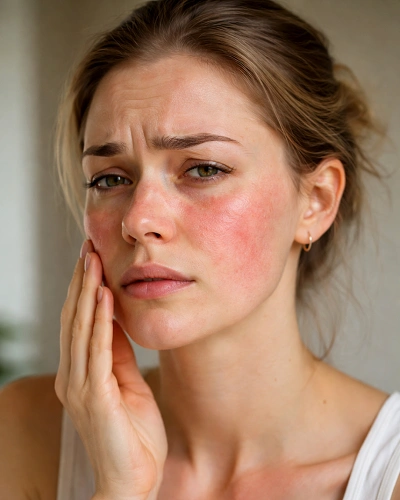
Root Cause: Thin skin barrier, allergens, harsh skincare
Treatment: Barrier repair creams, anti-inflammatory treatments, soothing masks
Products to Use: Fragrance-free moisturizers, aloe vera gel, ceramide creams
Prevention Tips: Patch test new products, avoid harsh ingredients, gentle cleansing
Professional Help: Dermatologist for allergy testing or prescription barrier creams
Sensitive skin can feel tight, itchy, or reactive to even mild skincare products. Women are often affected due to thinner epidermal layers or hormonal fluctuations that influence skin barrier function. Proper care focuses on calming irritation, repairing the barrier, and avoiding triggers. Professional guidance helps identify allergens and manage severe reactions.
12. Perioral Dermatitis
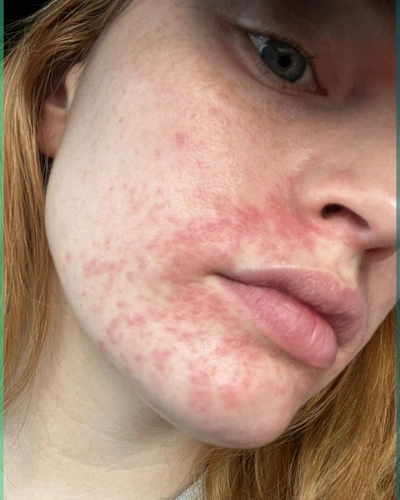
Root Cause: Overuse of steroids, cosmetics, hormonal changes
Treatment: Topical antibiotics, discontinuing irritants, gentle skincare
Products to Use: Non-comedogenic moisturizers, mild cleansers, prescribed creams
Prevention Tips: Avoid steroid creams, harsh products, over-exfoliation
Professional Help: Dermatologist for prescription antibiotic creams
Perioral dermatitis is a rash around the mouth, sometimes spreading to the nose or eyes. It’s often mistaken for acne but is aggravated by steroid creams, heavy makeup, or hormonal shifts. Proper diagnosis is key because conventional acne treatments can worsen it. Avoiding triggers and using prescribed antibiotics usually resolves the condition.
13. Lip Lines and Early Wrinkles

Root Cause: Aging, sun exposure, smoking
Treatment: Retinoid creams, dermal fillers, laser resurfacing
Products to Use: Lip balms with SPF, hyaluronic acid, antioxidant serums
Prevention Tips: Avoid smoking, moisturize lips, sun protection
Professional Help: Dermatologist or cosmetic specialist for fillers or laser
Fine lines around the lips are among the first signs of aging that many women notice. They result from repetitive facial expressions, reduced collagen, and environmental exposure. While topical treatments help slow progression, professional interventions like fillers or laser therapy can smooth deeper lines and restore youthful appearance. Preventive habits like SPF, hydration, and avoiding smoking are essential.
14. Neck and Décolletage Aging
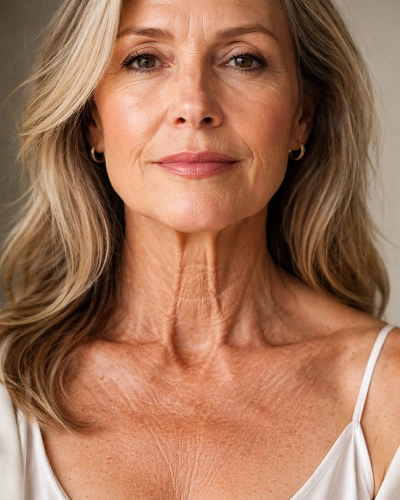
Root Cause: Sun damage, thinning skin, neglect
Treatment: Retinoids, firming creams, laser or radiofrequency therapy
Products to Use: Neck-specific moisturizers, peptides, sunscreen
Prevention Tips: Apply skincare to neck, daily SPF, gentle exfoliation
Professional Help: Dermatologist for laser tightening or professional treatments
The neck and chest area often show signs of aging before the face, due to thinner skin and sun exposure. Many women focus on facial skincare but neglect this region, leading to wrinkles, sagging, and discoloration. Targeted skincare, sun protection, and occasional professional treatments help maintain smooth and firm skin in this delicate area.
15. Hormonal Melasma
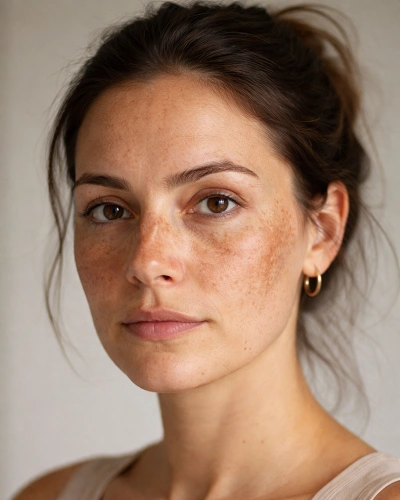
Root Cause: Pregnancy, birth control, sun exposure
Treatment: Topical hydroquinone, chemical peels, laser therapy
Products to Use: Vitamin C serums, broad-spectrum sunscreen, niacinamide creams
Prevention Tips: Sun protection, avoid hormonal triggers if possible, gentle exfoliation
Professional Help: Dermatologist for prescription creams or laser treatment
Melasma is a common skin problem in women, characterized by brown or grayish patches on the face, often triggered by hormonal changes. Sun exposure worsens pigmentation, making daily SPF critical. Topical treatments can gradually fade patches, while professional interventions like chemical peels and laser therapy offer more immediate results. Preventive measures, especially sun avoidance, are key to controlling recurrence.
16. Skin Allergies and Contact Dermatitis
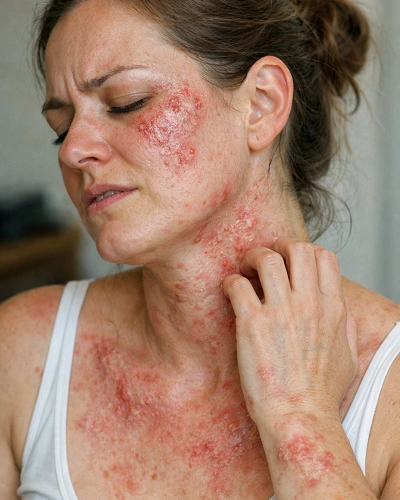
Root Cause: Allergens, harsh chemicals, skincare ingredients
Treatment: Topical corticosteroids, antihistamines, soothing ointments
Products to Use: Hypoallergenic moisturizers, fragrance-free cleansers, barrier creams
Prevention Tips: Patch test products, avoid irritants, protective gloves
Professional Help: Dermatologist for allergy testing and prescription creams
Skin allergies can manifest as redness, swelling, itching, or rashes after exposure to allergens or irritants. Women are often affected by cosmetics, perfumes, hair dyes, or detergents. Preventing flare-ups relies on identifying triggers, using gentle products, and avoiding repeated exposure. Severe cases require professional allergy testing and prescription treatments.
17. Nail and Cuticle Problems
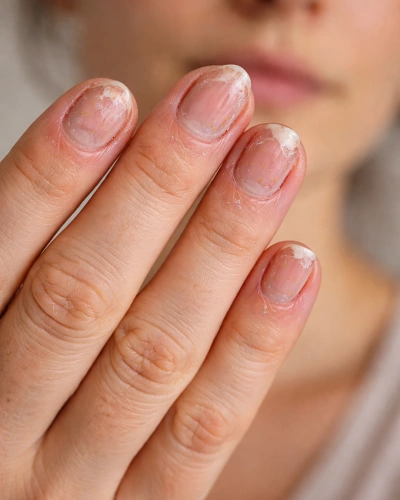
Root Cause: Fungal infections, vitamin deficiencies, harsh nail products
Treatment: Antifungal treatments, cuticle creams, proper nail care
Products to Use: Cuticle oils, strengthening polishes, antifungal creams
Prevention Tips: Keep nails dry, avoid harsh chemicals, balanced diet
Professional Help: Dermatologist or podiatrist for persistent infections
Healthy nails are a reflection of overall skin and health, yet women often face brittle nails, discoloration, or infections due to frequent manicures, nail polish chemicals, or nutritional deficiencies. Daily moisturizing, gentle care, and occasional professional treatment for infections maintain nail strength and appearance.
18. Scalp Issues (Dandruff & Dryness)

Root Cause: Seborrheic dermatitis, fungal overgrowth, stress
Treatment: Medicated shampoos, antifungal treatments, scalp massages
Products to Use: Ketoconazole shampoo, tea tree oil, gentle conditioners
Prevention Tips: Regular cleansing, avoid harsh hair products, scalp hydration
Professional Help: Dermatologist for prescription treatments or medicated shampoos
Scalp problems are common yet rarely discussed openly. Dandruff, itchiness, or dryness can be caused by fungal infections, hormonal changes, or sensitivity to hair products. Maintaining a healthy scalp is essential for hair health and overall confidence. Persistent issues require dermatologist intervention.
19. Body Acne (Back, Chest, Shoulders)
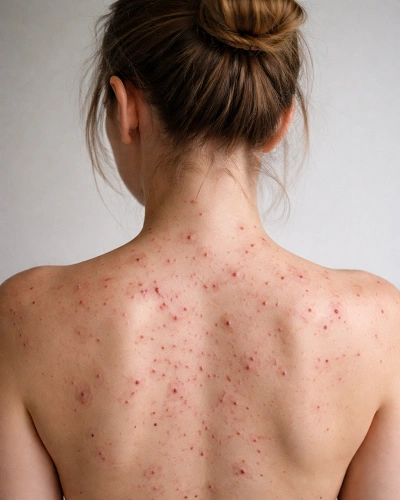
Root Cause: Sweat, clogged pores, hormonal imbalance
Treatment: Topical retinoids, antibacterial washes, exfoliation
Products to Use: Salicylic acid body washes, benzoyl peroxide creams, lightweight lotions
Prevention Tips: Shower after sweating, avoid tight clothing, regular exfoliation
Professional Help: Dermatologist for prescription treatments or oral medications
Body acne is a frequently overlooked issue, often affecting the back, chest, and shoulders. Hormonal changes, sweat, and friction from clothing can trigger outbreaks. Maintaining hygiene, using body-specific acne treatments, and seeking professional advice for persistent or severe cases help reduce discomfort and scarring.
20. Post Inflammatory Hyperpigmentation (PIH)
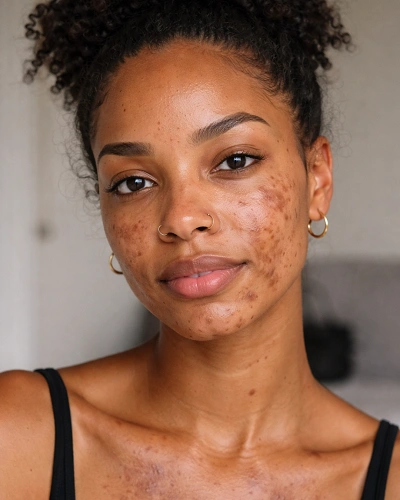
Root Cause: Acne, eczema, injury, inflammation
Treatment: Topical brightening agents, chemical peels, laser therapy
Products to Use: Vitamin C, niacinamide, glycolic acid creams
Prevention Tips: Avoid picking skin, sun protection, consistent skincare
Professional Help: Dermatologist for prescription creams or laser treatment
PIH occurs when skin darkens after an inflammatory condition such as acne, eczema, or injury. Though harmless, these dark spots can linger for months or years, affecting confidence. Treatment includes topical brighteners and professional interventions. Preventing it involves careful handling of inflamed skin and diligent sun protection.
21. Cellulite

Root Cause: Genetics, poor circulation, hormonal changes
Treatment: Massage therapy, laser treatment, radiofrequency therapy
Products to Use: Caffeine creams, retinol-based gels, firming lotions
Prevention Tips: Regular exercise, balanced diet, hydration
Professional Help: Dermatologist or aesthetician for advanced treatments
Cellulite, the dimpled appearance of the skin often found on thighs, hips, and buttocks, affects most women at some point. While it’s not harmful, it can affect confidence. Exercise, hydration, and topical treatments improve appearance, while professional therapies provide more noticeable results.
22. Freckles and Sunspots

Root Cause: Sun exposure, UV damage, genetics
Treatment: Laser therapy, chemical peels, topical brighteners
Products to Use: Sunscreen, vitamin C serums, niacinamide creams
Prevention Tips: Daily SPF, avoid excessive sun exposure, protective clothing
Professional Help: Dermatologist for laser treatments or prescription creams
Freckles and sunspots are pigmented spots caused by UV exposure and genetics. They’re harmless but often considered cosmetic concerns. Consistent sun protection and topical brightening products help prevent new spots and fade existing ones.
23. Perimenopausal and Menopausal Skin Changes
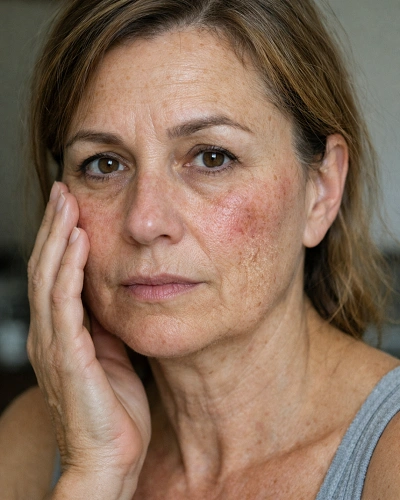
Root Cause: Hormonal decline, decreased collagen, aging
Treatment: Hormone replacement therapy (HRT), retinoids, moisturizers
Products to Use: Hyaluronic acid serums, peptide creams, rich moisturizers
Prevention Tips: Balanced diet, sun protection, hydration
Professional Help: Dermatologist or gynecologist for HRT and skin guidance
Women approaching or experiencing menopause often notice dryness, sagging, wrinkles, and thinning skin. These changes are largely due to estrogen decline, which affects collagen production. Topical care and professional advice can mitigate these changes and maintain healthy skin.
24. Broken Capillaries and Spider Veins
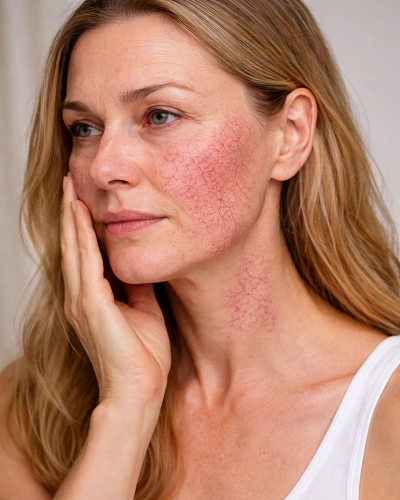
Root Cause: Genetics, sun damage, rosacea, aging
Treatment: Laser therapy, sclerotherapy, topical treatments
Products to Use: Soothing creams, products with vitamin K, anti-redness serums
Prevention Tips: Sun protection, gentle skincare, avoid extreme temperatures
Professional Help: Dermatologist or vascular specialist for laser or sclerotherapy
Broken capillaries are small, visible blood vessels on the face, often around the nose and cheeks. Causes include sun damage, aging, and skin conditions like rosacea. While harmless medically, treatments like laser therapy effectively reduce visibility. Preventive measures include sunscreen and gentle skincare.
25. Uneven Skin Tone
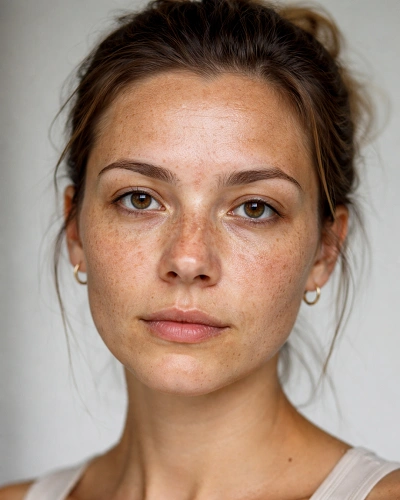
Root Cause: Sun exposure, acne scars, pigmentation disorders
Treatment: Chemical peels, laser therapy, topical brighteners
Products to Use: Vitamin C, niacinamide, glycolic acid serums
Prevention Tips: Sun protection, consistent skincare routine, exfoliation
Professional Help: Dermatologist for prescription creams or professional treatments
Uneven skin tone can result from pigmentation, scarring, sun exposure, or post-inflammatory effects. While daily skincare can help, professional treatments often offer faster and more dramatic results. Consistent sun protection is essential to prevent further unevenness.
Final Thoughts
Living with women’s facial skin problems can be challenging, but understanding the root causes of female skin conditions empowers you to take control of your skin health. Addressing skin problems in women goes beyond surface treatments; it often involves lifestyle adjustments, awareness of health problems affecting women, and recognizing how skin problems and hormones interplay with your daily routine.
From the common skin problems for women to more complex issues, having a clear list of skin issues and a list of all skin problems can guide you toward practical solutions. Remember, caring for your skin isn’t just about appearance; it’s about embracing confidence, wellness, and self-care in the face of ladies skin problems and woman face skin problems alike.
FAQs: Skin Problems for Women
1. What are the most common skin disorders?
The most common skin disorders include:
- Acne – Pimples, blackheads, or cysts caused by clogged pores and hormonal changes.
- Eczema (Atopic Dermatitis) – Red, itchy, inflamed patches.
- Psoriasis – Thick, scaly, red patches on the skin.
- Rosacea – Facial redness, visible blood vessels, sometimes acne-like bumps.
- Fungal Infections – Ringworm, athlete’s foot, yeast infections.
- Hyperpigmentation – Dark spots, melasma, or uneven skin tone.
2. How can I cure my skin problems?
Treatment depends on the type of skin problem:
- Daily Skincare: Gentle cleansing, moisturizing, and sun protection.
- Topical Treatments: Retinoids, antibiotics, anti-inflammatory creams, or brightening agents.
- Oral Medications: Hormonal therapy, antibiotics, or antifungals for severe cases.
- Lifestyle Changes: Balanced diet, hydration, stress management, adequate sleep.
- Professional Help: Dermatologists can provide chemical peels, laser therapy, or prescription medications for persistent issues.
3. What are the symptoms of skin disease?
Common signs include:
- Redness or inflammation
- Itching or burning sensation
- Dry, flaky, or scaly patches
- Pimples, bumps, or blisters
- Rashes or discoloration
- Pain or tenderness in affected areas
4. What are the 7 different types of skin infections?
Skin infections are generally classified as:
- Bacterial infections – Impetigo, cellulitis
- Fungal infections – Ringworm, athlete’s foot, yeast infections
- Viral infections – Herpes simplex, warts, shingles
- Parasitic infections – Scabies, lice
- Protozoal infections – Rare, e.g., leishmaniasis
- Secondary infections – Infection from injuries or eczema
- Mixed infections – Combination of bacteria, fungus, or virus
5. What are the 5 skin infections?
The five most common skin infections are:
- Impetigo – Bacterial infection causing blisters and sores
- Cellulitis – Bacterial infection affecting deeper skin layers
- Ringworm (Tinea) – Fungal infection with circular patches
- Yeast infection – Candida overgrowth causing redness or itching
- Warts – Viral infection caused by human papillomavirus (HPV)
6. What is psoriasis?
Psoriasis is a chronic autoimmune skin condition that speeds up skin cell production, causing:
- Thick, red, scaly patches
- Dry and cracked skin that may bleed
- Itchiness or burning sensations
- Commonly affects elbows, knees, scalp, and lower back
Treatment includes topical creams, phototherapy, and medications that regulate immune response.
7. What are the five skin diseases?
Five common skin diseases include:
- Acne – Clogged pores, pimples, or cysts
- Eczema – Red, itchy, inflamed patches
- Psoriasis – Thick, scaly, red plaques
- Rosacea – Facial redness and visible blood vessels
- Fungal infections – Ringworm, athlete’s foot, yeast infections
8. Can stress trigger skin diseases?
Yes. Stress can worsen or trigger skin problems by affecting hormone levels and immune response. Examples:
- Acne flare-ups
- Eczema and psoriasis worsening
- Hair loss (alopecia areata)
- Rosacea flare-ups
Managing stress through yoga, meditation, adequate sleep, and relaxation techniques can improve skin health.
9. What vitamins help clear skin?
Key vitamins for healthy skin:
- Vitamin A – Improves acne and skin cell turnover
- Vitamin C – Brightens skin, reduces pigmentation, supports collagen
- Vitamin D – Anti-inflammatory, supports skin repair
- Vitamin E – Antioxidant, protects skin from damage
- Vitamin B Complex (B3, B5, B7) – Reduces acne, strengthens skin barrier
10. What can I drink to stop itching?
Hydration and anti-inflammatory drinks can help reduce skin itching:
- Water – Keeps skin hydrated and reduces dryness
- Green tea – Anti-inflammatory and antioxidant properties
- Aloe vera juice – Soothes inflammation
- Coconut water – Hydrating and cooling effect
- Chamomile tea – Anti-inflammatory and calming effect
What’s Trending!

20 Best Summer Drinks for Glowing Skin (Natural Beauty Drinks Every Woman Should Try).
Exosome Skincare Explained: Luxury Anti Aging Trend Women Can’t Stop Searching.
20 Types of Vitiligo in Women: Causes, Symptoms, Treatment & Care Guide.
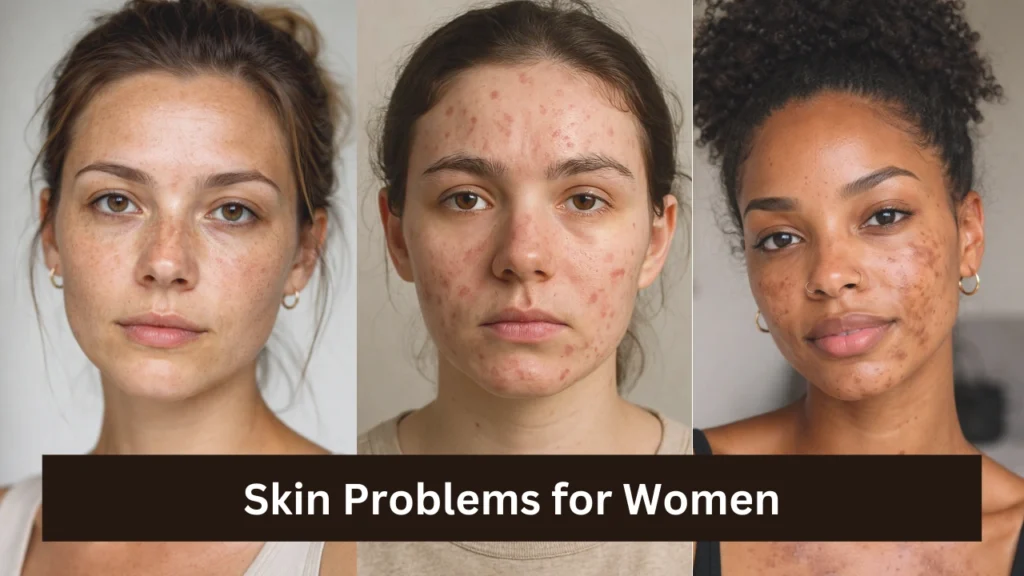
Shocking 25 Skin Problems for Women: Ugly Side of Feminine No One Talks About.
Struggling With Hormonal Acne? Here’s How Periods, PCOS, and Birth Control Affect Your Skin; and 10 Ways to Fix It