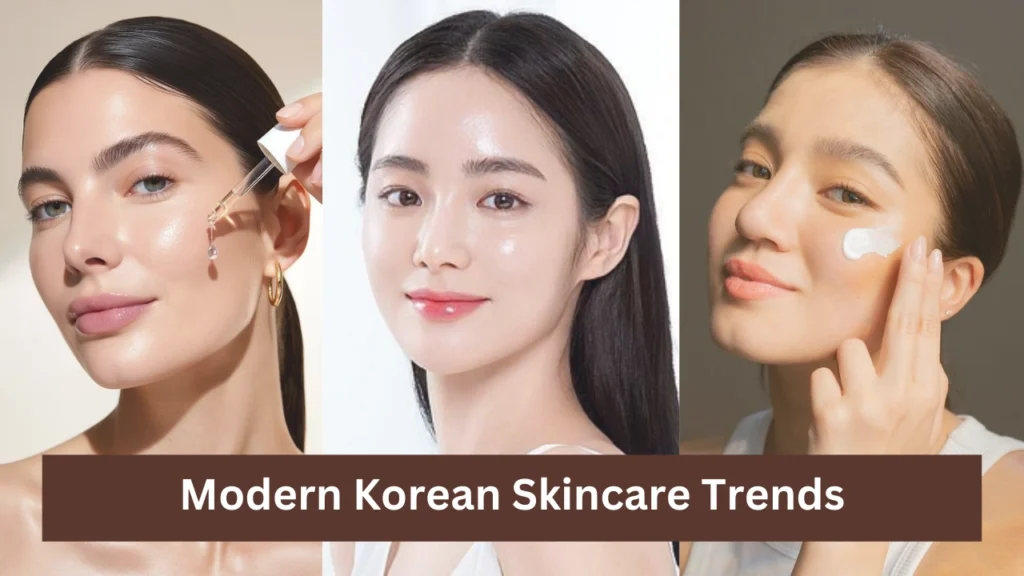
Modern Korean Skincare Trends
For more than a decade, Korean skincare has shaped global beauty standards. From the introduction of BB creams to the now iconic 10-step routine, K-beauty has consistently redefined what healthy, radiant skin looks like. In 2026, the concept of “glass skin” has evolved into something more refined, more scientific, and more sustainable: Glass Skin 2.0.
Unlike its predecessor, which focused primarily on achieving a visibly dewy, poreless glow, Glass Skin 2.0 prioritizes long-term skin health, structural resilience, and functional radiance. It is not simply about shine. It is about skin that reflects light because it is genuinely balanced, hydrated, and strong.
This new phase of Korean skincare reflects a deeper understanding of dermatological science, ingredient innovation, and personalized beauty. Women across the world are no longer chasing temporary luminosity; they are investing in skin longevity.
Evolution: Glass Skin to Glass Skin 2.0
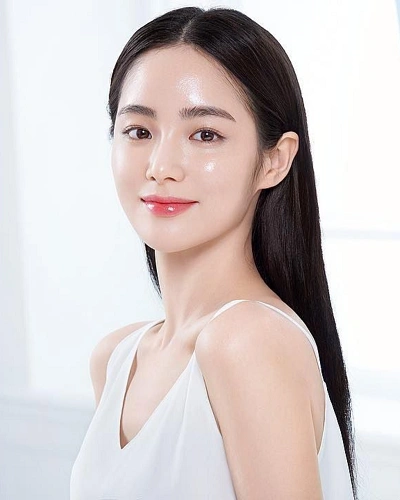
The original glass skin trend emphasized:
- Intense hydration
- Multiple layers of lightweight products
- Smooth texture and reflective glow
- Meticulous product layering
While effective, it often required extensive routines and frequent reapplication. Some women experienced over-exfoliation, barrier damage, or product overload.
Glass Skin 2.0 shifts the focus from aesthetic layering to strategic formulation and barrier intelligence. The glow is no longer manufactured through heavy layering. Instead, it emerges naturally from optimized hydration, collagen support, and microbiome balance.
In 2026, the defining features of Glass Skin 2.0 include:
- Strengthened skin barrier
- Controlled, healthy luminosity
- Reduced inflammation
- Refined texture
- Improved elasticity
- Long-term skin resilience
This is skincare rooted in biology rather than trend cycles.
Science Behind Glass Skin 2.0
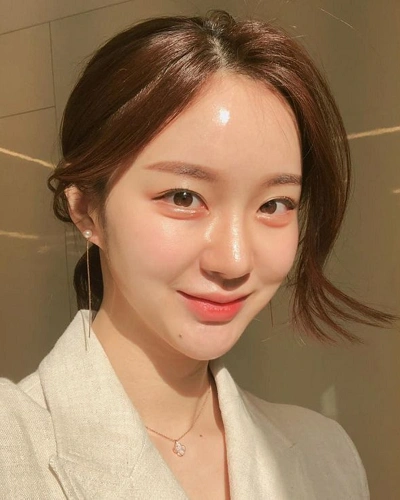
The modern Korean skincare industry has invested heavily in dermatological research, ingredient encapsulation technology, and microbiome science. Glass Skin 2.0 reflects these advancements.
1. Barrier First Philosophy
At the core of this movement is the understanding that the skin barrier determines everything; hydration retention, sensitivity levels, inflammation response, and aging progression.
A compromised barrier leads to:
- Increased transepidermal water loss
- Redness and irritation
- Uneven texture
- Dullness
- Breakouts
Glass Skin 2.0 routines emphasize lipid replenishment and pH stability. Instead of aggressive exfoliation, the focus is on maintaining structural integrity through ceramides, cholesterol, fatty acids, and niacinamide.
2. Multi Layer Hydration Technology
Hydration is no longer superficial. Korean laboratories in 2026 are utilizing multi-weight hyaluronic acid systems that penetrate different epidermal layers. These systems are often paired with aquaporin activators, which enhance the skin’s ability to transport water efficiently.
The result is not surface dewiness alone, but deeper plumpness and elasticity.
3. Microbiome Optimization
Research into the skin microbiome has transformed formulation strategies. Balanced skin flora contributes to:
- Reduced inflammation
- Fewer acne flare-ups
- Improved barrier recovery
- Enhanced glow
Prebiotics, probiotics, and postbiotics are now common in essences and moisturizers, helping to cultivate a stable microbial environment.
4. Anti Inflammatory Focus
Chronic low-grade inflammation is increasingly recognized as a contributor to premature aging and pigmentation. Glass Skin 2.0 incorporates soothing botanicals and scientifically validated anti-inflammatory agents such as:
- Centella asiatica derivatives
- Madecassoside
- Panthenol
- Green tea polyphenols
- Beta-glucan
Calm skin reflects light better and ages more slowly.
Refined Glass Skin Routine for Women
Unlike the earlier 10-step method, Glass Skin 2.0 emphasizes efficiency and intentional layering. Each product serves a defined purpose.
Step 1: Intelligent Cleansing
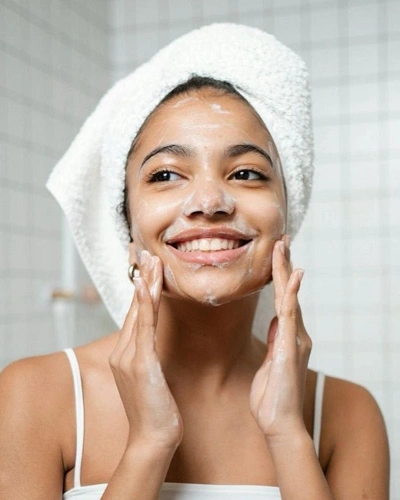
Double cleansing remains foundational but is gentler and barrier-conscious.
- Oil cleanser: Removes sunscreen, makeup, and sebum without stripping lipids.
- Low-pH gel or cream cleanser: Maintains acid mantle balance.
Cleansing is treated as preparation rather than exfoliation.
Step 2: Hydrating Essence or Treatment Toner
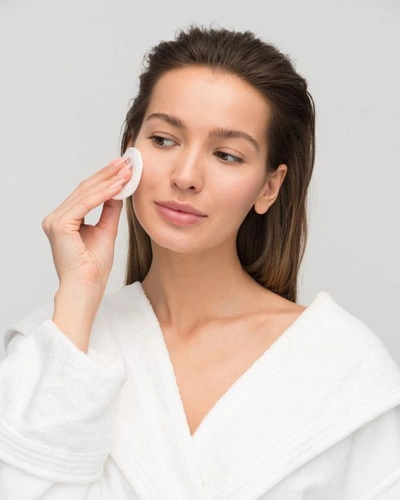
Modern essences combine hydration with active delivery. Formulations often include:
- Multi-molecular hyaluronic acid
- Fermented extracts
- Saccharide isomerate
- Amino acids
These products enhance absorption and initiate moisture retention.
Step 3: Targeted Treatment Serums
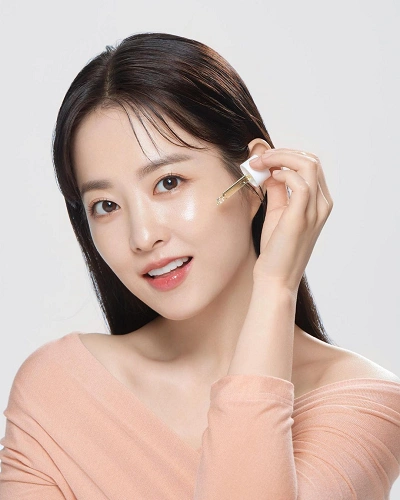
Personalization defines this step. Instead of layering numerous serums, women are choosing one or two targeted treatments based on skin needs.
Common focuses in 2026:
- Hyperpigmentation: Stabilized vitamin C derivatives and tranexamic acid
- Early aging: Peptides and growth factor alternatives
- Acne and oil regulation: Niacinamide and mild exfoliating acids
- Sensitivity: Centella and microbiome-supporting complexes
Encapsulation technology improves ingredient stability and reduces irritation.
Step 4: Barrier Reinforcement
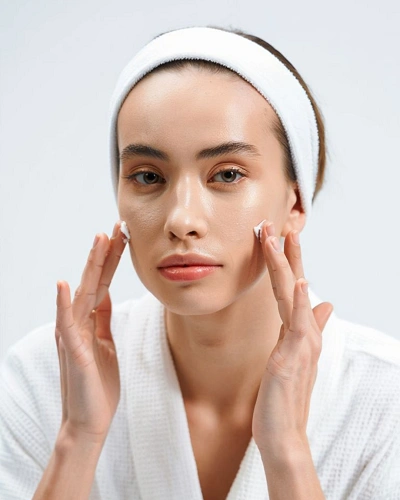
Barrier creams or emulsions containing ceramide complexes, cholesterol, and fatty acids lock in hydration while repairing micro-damage.
This step is the cornerstone of Glass Skin 2.0.
Step 5: Adaptive Moisturization
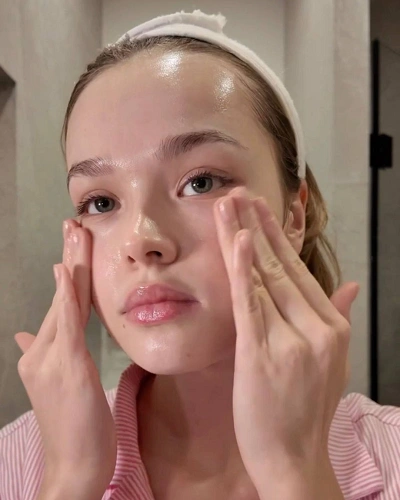
Moisturizers are selected based on climate and skin type. Gel-based formulas dominate in humid environments, while richer creams are favored in dry or cold climates.
Smart moisturizers in 2026 often include humectant-emollient-occlusive balance in a single formulation.
Step 6: Daily Broad Spectrum Sun Protection
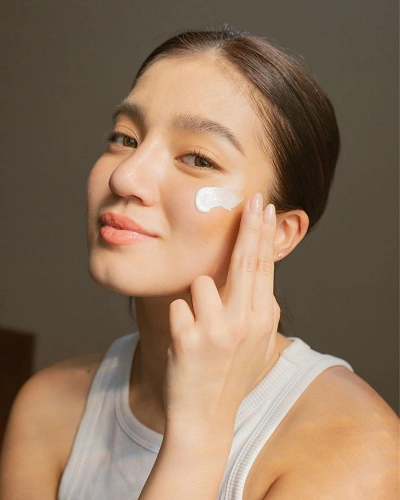
Modern Korean sunscreens combine:
- High UVA and UVB protection
- Antioxidants
- Skin barrier support
Lightweight textures eliminate white cast and pilling, making SPF application consistent and effortless.
Key Ingredients Defining Skincare 2026
1. Ceramide Complexes
Advanced lipid blends mimic the skin’s natural barrier structure, improving resilience and moisture retention.
2. Niacinamide
A multifunctional ingredient that enhances barrier function, regulates sebum, improves texture, and supports even tone.
3. Peptides
Signal molecules that stimulate collagen production and improve firmness. Particularly popular among women in their 30s and 40s.
4. Fermented Extracts
Fermentation enhances bioavailability of nutrients and supports microbiome balance.
5. Postbiotics
Non-living microbial derivatives that calm inflammation and improve barrier function without destabilizing sensitive skin.
6. Antioxidants
Pollution defense is increasingly important in urban environments. Green tea, resveratrol, vitamin E, and novel botanical antioxidants protect against oxidative stress.
Role of Minimalism and Sustainability

Glass Skin 2.0 also reflects cultural shifts toward mindful consumption. Instead of purchasing excessive products, women are investing in:
- Multifunctional formulations
- Refillable packaging
- Clinically tested products
- Transparent ingredient lists
Korean brands in 2026 emphasize sustainable sourcing and reduced environmental impact.
Beyond Products: Lifestyle Integration
Glass Skin 2.0 is rooted in the understanding that skincare does not end at the surface. While advanced formulations and barrier-focused routines are essential, true radiance is influenced by internal health, daily habits, and environmental awareness. In 2026, women are embracing a more holistic definition of beauty; one that integrates nutrition, sleep quality, stress balance, and climate responsiveness into their skincare philosophy.
1. Nutrition and Internal Skin Support
Healthy, luminous skin begins with proper nourishment. Nutrients that support collagen synthesis, lipid barrier integrity, and inflammation control are considered foundational within the Glass Skin 2.0 framework.
Omega-3 fatty acids help maintain skin elasticity and reinforce the barrier, reducing dryness and irritation. Antioxidants such as vitamins C and E protect against oxidative stress caused by UV exposure and pollution. Protein intake, along with amino acids like glycine and proline, supports collagen structure, while minerals such as zinc contribute to repair and clarity.
Hydration remains equally important. Adequate water intake supports cellular function, circulation, and overall plumpness. Many women now view topical hydration as complementary to internal hydration rather than a replacement for it.
2. Sleep and Circadian Alignment
Skin regeneration is closely tied to circadian rhythms. During deep sleep, the body increases collagen production, accelerates cell turnover, and repairs environmental damage accumulated throughout the day. Poor sleep disrupts these restorative processes, often leading to dullness, increased sensitivity, and premature fine lines.
Glass Skin 2.0 emphasizes consistent sleep patterns and quality rest as part of a comprehensive skincare strategy. Evening routines are often designed to support overnight repair, using barrier strengthening and restorative ingredients that align with the skin’s natural regenerative cycle.
3. Stress Regulation and Hormonal Stability
Chronic stress has direct physiological effects on the skin. Elevated cortisol levels can weaken the barrier, increase oil production, trigger breakouts, and accelerate visible aging. Inflammation linked to stress may also contribute to uneven tone and sensitivity.
As a result, stress management is increasingly viewed as an essential skincare practice. Mindfulness techniques, regular physical activity, structured routines, and digital boundaries are integrated into daily life to support hormonal balance and skin clarity. Emotional wellbeing is recognized as a contributing factor to texture, glow, and resilience.
4. Climate and Environmental Adaptation
Glass Skin 2.0 encourages flexibility rather than rigid routines. Skin responds differently to humidity, temperature fluctuations, pollution levels, and seasonal shifts. Women are adjusting product textures and ingredient focus based on environmental conditions.
In humid climates, lightweight hydrating gels and oil-regulating serums maintain balance without congestion. In colder or drier conditions, richer moisturizers and occlusive layers protect against transepidermal water loss. Urban environments call for enhanced antioxidant protection to combat pollution-induced oxidative stress.
This adaptive approach ensures that skincare remains responsive to real-world conditions rather than following a static regimen year-round.
Customization by Skin Type for Women
Glass Skin 2.0 is adaptable.
- Oily or acne-prone skin benefits from lightweight hydrators, niacinamide, and microbiome-balancing treatments.
- Dry or mature skin requires deeper lipid replenishment and peptide support.
- Sensitive skin prioritizes fragrance-free, anti-inflammatory, barrier-focused formulations.
- Combination skin uses strategic zoning techniques for different facial areas.
Personalization is the hallmark of this new era.
Why Women Are Embracing Glass Skin 2.0 in 2026?

The appeal lies in its balance of science and sophistication. It does not promise overnight transformation. Instead, it offers cumulative improvement; skin that becomes progressively smoother, clearer, and more resilient over time.
Women are gravitating toward:
- Long-term skin health
- Subtle, natural luminosity
- Evidence-based ingredients
- Streamlined yet effective routines
- Preventative anti-aging strategies
The glow associated with Glass Skin 2.0 is quieter but more authentic. It reflects disciplined care, thoughtful formulation, and respect for skin biology.
Future of Glass Skin for Women
Looking ahead, the movement is expected to incorporate:
- AI driven skin diagnostics
- Personalized microbiome testing
- Smart delivery systems
- Climate-adaptive skincare formulas
Glass Skin 2.0 is not a fleeting aesthetic. It represents the maturation of Korean skincare philosophy; where innovation meets restraint, and radiance is built from structural strength rather than cosmetic illusion.
Final Thoughts
Glass Skin 2.0 in 2026 signifies a transformative shift in how women approach skincare. It replaces excess with precision, surface glow with biological function, and short term trends with long term strategy.
The result is skin that appears luminous not because it is coated in layers, but because it is genuinely healthy. Smooth texture, balanced hydration, refined pores, and calm tone combine to create a natural light-reflecting finish.
This modern interpretation of glass skin is less about perfection and more about optimization. It acknowledges that healthy skin is dynamic, responsive, and deeply personal.
In 2026, women are not merely following a trend. They are embracing a skincare philosophy grounded in science, sustainability, and self-awareness.
FAQs: Modern Korean Skincare Trends
1. What is Glass Skin 2.0 and how is it different from traditional glass skin?
Glass Skin 2.0 is the evolved version of the original Korean glass skin trend. While traditional glass skin focused primarily on achieving a dewy, ultra-reflective surface glow through multiple product layers, Glass Skin 2.0 emphasizes long-term skin health, barrier strength, and functional hydration. It prioritizes microbiome balance, anti-inflammatory care, and scientifically formulated ingredients to create natural luminosity rather than temporary shine.
2. Is Glass Skin 2.0 suitable for all skin types?
Yes, Glass Skin 2.0 is designed to be adaptable for all skin types, including oily, dry, combination, sensitive, and mature skin. The key lies in personalization. For example, oily skin types may use lightweight gel moisturizers and niacinamide-based treatments, while dry or mature skin may benefit more from ceramide-rich creams and peptide serums. The philosophy centers on strengthening the skin barrier and customizing active ingredients according to individual needs.
3. Do I need a 10 step routine to achieve Glass Skin?
No. Unlike earlier K-beauty routines that emphasized extensive layering, Glass Skin 2.0 focuses on strategic, efficient skincare. A streamlined routine typically includes gentle cleansing, hydrating essence, targeted serum, barrier-repair moisturizer, and daily sunscreen. The emphasis is on quality formulations and intentional layering rather than the number of steps.
4. Which ingredients are essential for achieving Glass Skin in 2026?
Key ingredients defining Glass Skin 2.0 include ceramides, niacinamide, peptides, multi-molecular hyaluronic acid, fermented extracts, postbiotics, and antioxidants. These ingredients support hydration at multiple levels, reinforce the skin barrier, reduce inflammation, and protect against environmental stressors. The goal is to improve skin structure and resilience rather than simply enhancing surface glow.
5. How long does it take to see results with Glass Skin 2.0?
Results vary depending on skin condition and consistency, but most women notice improved hydration and smoothness within two to four weeks. Long-term benefits such as refined texture, improved elasticity, and balanced tone typically develop over six to twelve weeks of consistent barrier-focused care. Because Glass Skin 2.0 prioritizes skin health, it delivers gradual yet sustainable improvements rather than instant cosmetic effects.
What’s Trending!
Shocking 25 Skin Problems for Women: Ugly Side of Feminine No One Talks About.
20 Types of Vitiligo in Women: Causes, Symptoms, Treatment & Care Guide.

20 Best Summer Drinks for Glowing Skin (Natural Beauty Drinks Every Woman Should Try).
Barrier Repair Skincare for Women Explained: The #1 Trend Dermatologists Want Women to Know.
Glass Skin 2.0: Modern Korean Skincare Trends Women Are Obsessed With, in 2026.