
Barrier Repair Skincare
If your skin has ever felt tight, stingy, flaky, or like nothing works anymore, you’re not alone; and you’re definitely not “bad at skincare.” Many women hit this phase after over-exfoliating, stress, hormones, or trying too many trends at once. That’s where skin barrier repair comes in. Understanding barrier repair skin is less about chasing perfection and more about giving your skin what it’s been quietly asking for: support, balance, and consistency.
From choosing the right skin barrier repair products to knowing which barrier repair actives actually help instead of harm, barrier repair skincare is about rebuilding trust with your skin; especially if you’re navigating sensitivity, breakouts, or burnout from complicated routines.
What Exactly Is the Skin Barrier?
The skin barrier is the outermost layer of the skin and acts as its primary defense system. It is often explained using the “brick and mortar” analogy; skin cells are the bricks, while lipids like ceramides, cholesterol, and fatty acids are the mortar that holds everything together. When this structure is intact, the skin stays balanced, hydrated, and protected.
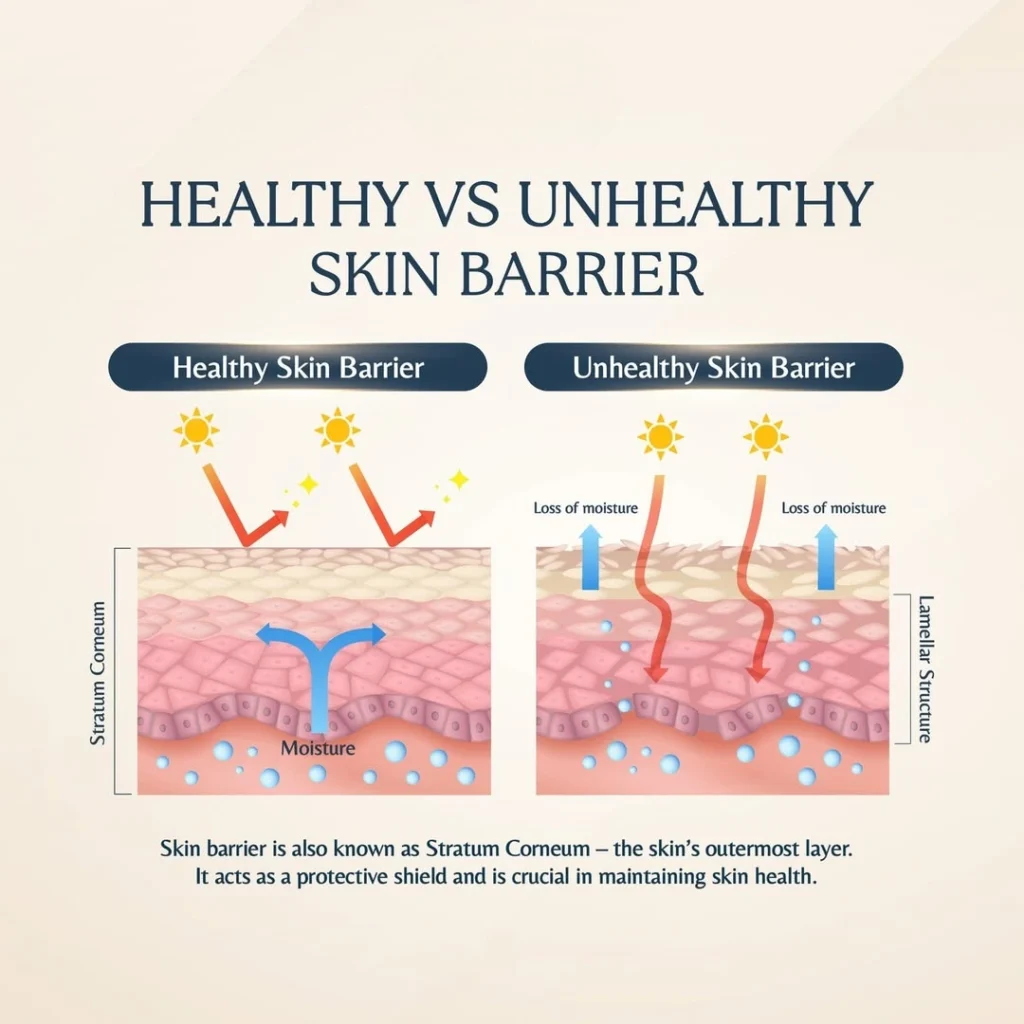
A healthy skin barrier:
- Locks moisture into the skin to prevent dehydration
- Protects against pollution, bacteria, and environmental irritants
- Helps keep the skin calm, smooth, and resilient
When the barrier is damaged, the skin may experience:
- Increased water loss, leading to dryness and tightness
- Greater sensitivity to skincare products and the environment
- Redness, irritation, and inflammation
- A weakened defense against acne-causing bacteria
This is why barrier repair skincare focuses on rebuilding and strengthening the skin’s structure rather than aggressively treating surface-level concerns.
Why Women Experience Barrier Damage More Frequently?

Women’s skin is especially vulnerable to barrier disruption due to hormonal fluctuations. Monthly cycles, pregnancy, postpartum recovery, perimenopause, and menopause all affect oil production, hydration levels, and inflammation responses.
Beyond hormones, women often experience barrier damage from:
- Overuse of exfoliating acids and retinoids
- Layering too many actives at once
- Frequent product switching
- Over-cleansing or double cleansing unnecessarily
- Avoiding moisturizer due to acne concerns
These habits are often well-intentioned but gradually compromise the skin’s natural defenses. Over time, the skin becomes reactive, dehydrated, and difficult to manage.
Skin Barrier Damage and Acne: Why Repair Comes First?

Acne is commonly treated as a surface issue, but for many women, acne is deeply linked to inflammation and barrier dysfunction. When the barrier is compromised, the skin loses water, triggering excess oil production as compensation. This creates an ideal environment for clogged pores and breakouts.
This is why barrier repair acne prone skincare is so important. Repairing the barrier helps calm inflammation, regulate oil production, and improve skin tolerance to treatments. Instead of constantly attacking acne, the skin is supported so it can heal itself.
Similarly, barrier repair for acne skin is especially beneficial for adult and hormonal acne, where inflammation plays a major role. Stronger barriers often mean fewer flare-ups, faster healing, and less post-acne irritation.
Barrier Repair Actives: What They Are and How They Help?
Not all active ingredients damage the skin barrier. The key difference lies in whether an ingredient supports repair or accelerates exfoliation. Barrier repair actives are ingredients that strengthen the skin rather than stripping it.
These actives work by replenishing lipids, calming inflammation, and improving moisture retention. Over time, they help the skin become more resilient and less reactive. Unlike harsh actives that produce quick but temporary results, barrier-focused ingredients work gradually to improve overall skin health.
Using these actives consistently helps restore balance, especially for women whose skin feels chronically irritated or unpredictable.
Choosing Effective Skin Barrier Repair Products

Selecting the right skin barrier repair products requires shifting priorities. Instead of chasing instant glow or aggressive correction, barrier repair products focus on nourishment, protection, and repair.
Well-formulated barrier products are usually gentle, hydrating, and supportive of the skin’s natural structure. Some women prefer dermatologist-developed formulas through barrier repair curated products, while others succeed with simpler formulations. What matters most is ingredient compatibility and consistency of use.
During barrier repair, it’s essential to minimize product overload and avoid unnecessary irritation. Fewer, well-chosen products often lead to better results.
What Makes the Best Barrier Repair Skin Care Approach?
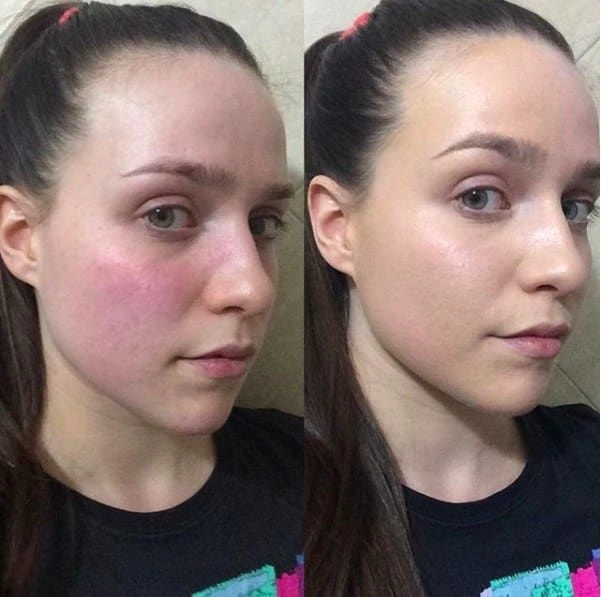
The best barrier repair skin care approach is built on patience. Barrier repair is not an overnight process; it can take weeks for the skin to rebuild its protective layer fully. During this time, the focus should be on preventing further damage while supporting natural repair cycles.
Gentle cleansing, proper moisturization, and daily sun protection form the backbone of effective barrier care. By maintaining consistency and avoiding unnecessary irritation, the skin gradually regains strength, balance, and resilience.
Building a Sustainable Barrier Repair Skincare Routine
A sustainable barrier repair skincare routine focuses on consistency, not complexity. When the skin barrier is compromised, the goal is to reduce stress on the skin and create an environment where it can heal naturally. A gentle cleanser, a nourishing moisturizer, and daily sun protection form the core of an effective routine, allowing the skin to regain balance over time.
Step 1: Gentle Cleansing
Cleansing should remove dirt, oil, and sunscreen without stripping the skin of its natural lipids. Harsh cleansers and excessive washing weaken the barrier, leading to dryness and irritation. A mild cleanser helps keep the skin comfortable and prepared for the steps that follow.
Step 2: Hydration
Light hydration supports the skin’s water balance and improves flexibility. Well-hydrated skin is less reactive and better able to repair itself, making this step especially helpful for women experiencing tightness or sensitivity.
Step 3: Moisturizing
Moisturizer is essential for rebuilding the barrier. It reduces water loss, soothes inflammation, and supports barrier repair for acne skin by helping regulate oil production. Skipping moisturizer can actually worsen breakouts and irritation.
Step 4: Sun Protection
Daily sunscreen prevents ongoing barrier damage caused by UV exposure. Protecting the skin allows repair efforts to be effective and helps maintain long-term results.
Step 5: Limit Actives
During barrier repair, minimizing strong exfoliants and treatments gives the skin time to recover. This approach supports barrier repair acne prone skin by reducing inflammation and improving tolerance to treatments later on.
With regular use, this simplified routine helps the skin become calmer, stronger, and more predictable; making skincare feel supportive rather than stressful.
Skin Barrier Repair at Home Naturally

Topical skincare is only part of the equation. Skin barrier repair at home naturally involves daily habits that influence skin health from within. Hydration, balanced nutrition, stress management, and quality sleep all play a significant role in how well the skin barrier functions.
Chronic stress and lack of sleep increase inflammation, while dehydration weakens the skin’s ability to retain moisture. Supporting the skin internally enhances the effects of barrier-focused skincare and helps maintain results long-term.
Aging, Hormones, and the Importance of Barrier Support
As women age, the skin naturally undergoes structural and hormonal changes that directly affect the skin barrier. One of the most significant changes is the gradual decline in natural lipid and ceramide production, which are essential for keeping the barrier strong and intact. As these components decrease, the skin becomes less able to retain moisture, leading to increased dryness, tightness, and sensitivity.
Hormonal shifts; especially during perimenopause and menopause can further weaken the barrier by reducing oil production and slowing down the skin’s repair processes. As a result, skin may feel thinner, more reactive, and slower to recover from irritation or environmental stress. This is why issues like redness, dehydration, and sensitivity often become more noticeable with age.
Barrier repair plays a crucial role in supporting aging skin by reinforcing its protective layer. Rather than aggressively targeting fine lines or texture with harsh treatments, strengthening the barrier helps maintain hydration, improve elasticity, and keep the skin comfortable and resilient. By focusing on barrier support, the skin is better equipped to age gracefully, maintaining a healthier appearance and a stronger ability to protect itself over time.
Final Thoughts
The good news? You don’t need a 12 step routine or miracle claims to heal your skin. Whether you’re searching for the best barrier repair skin care, figuring out a realistic barrier repair skincare routine, or learning what truly works for barrier repair acne prone concerns and barrier repair for acne skin, progress comes from patience and gentler choices.
Even simple habits like skin barrier repair at home naturally; hydration, barrier friendly cleansing, and protecting your skin from overdoing it, can make a visible difference. Barrier repair isn’t about fixing something “wrong” with you; it’s about supporting your skin so it can do what it already knows how to do: protect, heal, and glow on its own terms.
FAQs: Barrier Repair Skincare
1. What is barrier repair?
Barrier repair refers to restoring the skin’s natural protective layer, which keeps moisture inside and shields the skin from irritants, pollution, and bacteria. When the barrier is healthy, skin feels hydrated, calm, and resilient. When it’s damaged, skin becomes dry, sensitive, reactive, and more prone to breakouts. Barrier repair focuses on strengthening this protective layer so the skin can function properly again.
2. What is the fastest way to repair a skin barrier?
The fastest way to repair a skin barrier is to simplify your routine and remove anything that causes irritation. This includes pausing exfoliants, strong acids, retinoids, and harsh cleansers. Use a gentle cleanser, a nourishing moisturizer with barrier-supporting ingredients, and sunscreen during the day. Consistency, not aggressiveness, is what speeds up healing.
3. How to use barrier repair?
Barrier repair products should be used on clean skin, usually after cleansing and before sunscreen in the morning. Apply them gently; no rubbing or scrubbing, and use them consistently, morning and night if tolerated. The key is regular use and pairing them with a gentle routine that avoids overloading the skin.
4. How long does skin barrier repair take?
Skin barrier repair typically takes 2 to 6 weeks, depending on how damaged the barrier is and how consistent your routine is. Mild damage may improve within a couple of weeks, while more severe damage can take longer. During this time, it’s important to avoid switching products frequently and give the skin time to recover.
5. Can I use barrier repair cream every day?
Yes, barrier repair creams are designed for daily use and can be applied once or twice a day. Daily use helps maintain hydration, reduce sensitivity, and prevent further barrier damage. In fact, consistency is essential for long-term results.
6. What are signs of a damaged skin barrier?
Common signs of a damaged skin barrier include:
- Persistent dryness or dehydration
- Redness and inflammation
- Stinging or burning when applying products
- Increased sensitivity
- Sudden breakouts or worsening acne
- Flaky, rough, or tight-feeling skin
These symptoms often indicate that the skin needs repair rather than stronger treatments.
7. Does niacinamide heal the skin barrier?
Yes, niacinamide can help support skin barrier healing when used in appropriate concentrations. It helps improve moisture retention, reduce inflammation, and strengthen the barrier over time. However, very high concentrations may irritate compromised skin, so gentle formulations are best during barrier repair.
8. Should I exfoliate a damaged barrier?
No, exfoliating a damaged barrier is not recommended. Exfoliation can worsen irritation, increase inflammation, and slow the healing process. It’s best to pause exfoliation until the barrier has fully recovered. Once the skin feels calm and resilient again, exfoliation can be slowly reintroduced if needed.
9. Is barrier repair cream better than moisturizer?
Barrier repair cream is a type of moisturizer, but it is more targeted. While regular moisturizers focus mainly on hydration, barrier repair creams are formulated to restore the skin’s protective layer by replenishing lipids and reducing water loss. If your skin barrier is damaged, a barrier repair cream is often more effective than a basic moisturizer because it addresses the root cause rather than just dryness.
10. How can I repair my skin barrier if it gets worse before better?
It’s common for skin to feel temporarily dull, congested, or uncomfortable when you first simplify your routine for barrier repair. This usually happens because the skin is adjusting after being overstimulated. Stick to a gentle routine, avoid adding new actives, and focus on hydration and consistency. If irritation increases or persists, reassess products for hidden irritants like fragrance. With patience and steady care, the skin barrier typically strengthens and improves over time.
What’s Trending!

20 Best Summer Drinks for Glowing Skin (Natural Beauty Drinks Every Woman Should Try).

Exosome Skincare Explained: Luxury Anti Aging Trend Women Can’t Stop Searching.
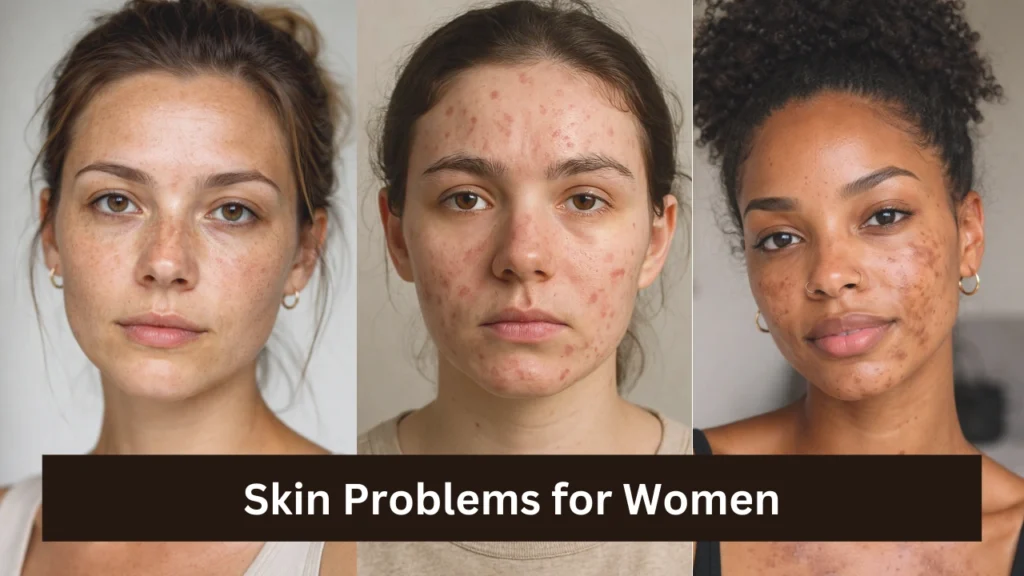
Shocking 25 Skin Problems for Women: Ugly Side of Feminine No One Talks About.

Glass Skin 2.0: Modern Korean Skincare Trends Women Are Obsessed With, in 2026.

Struggling With Hormonal Acne? Here’s How Periods, PCOS, and Birth Control Affect Your Skin; and 10 Ways to Fix It