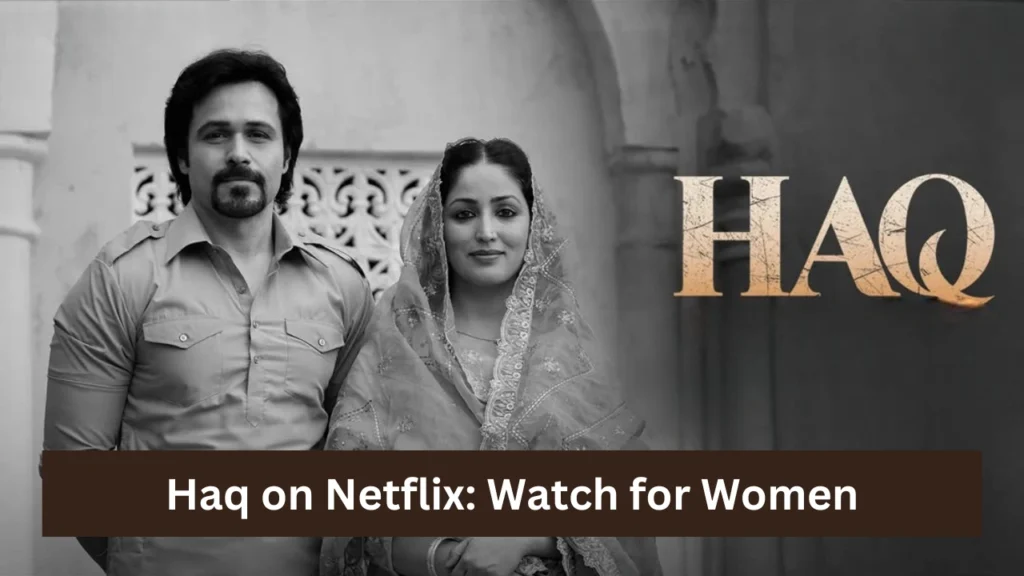
Haq on Netflix
There’s a reason Haq is climbing conversations across social media feeds and women-led watchlists this week. Now streaming on Netflix since January 2, the film doesn’t just tell a story; it asks urgent questions about justice, dignity, and a woman’s right to be heard, even when the odds are stacked against her.
Directed by Suparn S. Varma, Haq draws inspiration from one of India’s most consequential legal battles: the 1985 Supreme Court case of Shah Bano Begum. At its core, the film explores a woman’s fight for maintenance under secular law; a ruling that shook the nation, sparked widespread debate, and eventually led to new legislation. Decades later, the themes feel as relevant as ever.
Yami Gautam Dhar’s Career-Defining Moment
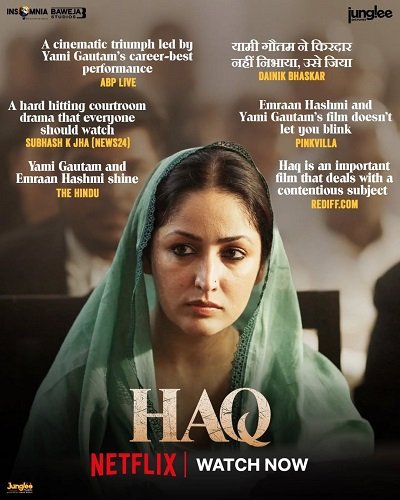
If there’s one reason Haq stays with you long after the credits roll, it’s Yami Gautam Dhar. As Shazia, she embodies quiet resolve and unyielding courage. This is not a loud, dramatic portrayal of empowerment; instead, Yami delivers strength through restraint; every glance, pause, and word carrying the weight of a woman who refuses to be erased.
Many fans are calling this her career-best performance, and it’s easy to see why. Shazia isn’t written as flawless or idealized; she is human, conflicted, and deeply determined. For women viewers especially, her journey feels intimate; mirroring the everyday battles fought in courtrooms, homes, and within societal expectations.
Emraan Hashmi’s Most Nuanced Role Yet
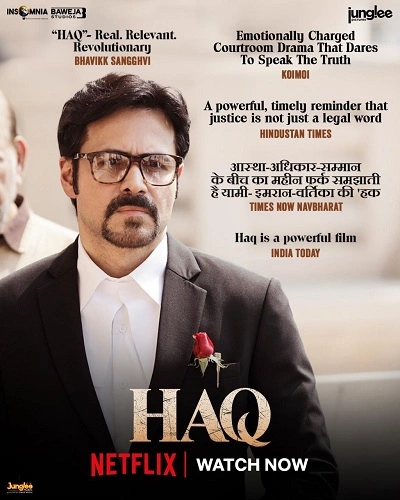
Known for his intense and often charismatic screen presence, Emraan Hashmi surprises with a layered portrayal of Shazia’s husband. Rather than painting him as a one-note antagonist, Haq allows space for contradiction; personal belief clashing with law, tradition confronting accountability. This complexity makes the conflict more unsettling and more real.
Together, Yami and Emraan create a dynamic that feels painfully authentic, showing how personal relationships can become battlegrounds when faith, law, and gender rights collide.
Faith, Law, and a Woman’s Right to Dignity
What makes Haq particularly compelling for women is its refusal to simplify the conversation. The film doesn’t pit faith against feminism in easy binaries. Instead, it asks: Can a woman claim justice without being accused of betrayal? Can law protect dignity without dismissing belief?
These questions resonate strongly today, as women continue to navigate spaces where personal rights are often framed as acts of defiance.
Critical Praise and Growing Buzz
Despite a modest ₹21 crore box office collection, Haq has found its true audience on streaming. The Times of India awarded it 4.5 stars, praising its sincerity and storytelling. Celebrities and viewers alike are amplifying its impact.
On Netflix, the film’s reach has expanded far beyond theatrical numbers, with viewers discovering; and rediscovering, its message through word of mouth and online discussions.
Why Haq Matters to Women Today
In a landscape filled with escapist content, Haq stands out as a reminder that women’s stories rooted in truth still matter; and still resonate. It speaks to every woman who has had to explain her choices, defend her needs, or fight for what should have been hers by default.
This isn’t just a film about a legal case from the past. It’s about the present. About voices that refuse to be silenced. About the courage it takes to say, “I deserve my rights.”
If you’re looking for a film that’s emotionally rich, socially relevant, and anchored by powerhouse performances, Haq deserves a spot on your watchlist. It’s not just trending; it’s timely.
Final Thoughts
Haq is not a film you simply watch; it’s a film you reflect on. At a time when conversations around women’s rights, personal law, and equality often become polarized, this story chooses empathy over sensationalism and courage over comfort. It reminds us that progress is rarely loud; sometimes, it begins with one woman’s refusal to quietly accept injustice.
Yami Gautam Dhar’s Shazia stays with you as a symbol of everyday resilience, while Emraan Hashmi’s restrained performance reinforces how deeply social conditioning can shape personal choices. Together, they make Haq feel intimate, unsettling, and deeply human.
For women especially, the film lands as both a mirror and a message; a reminder that claiming one’s haq (right) is never easy, but always necessary. Now streaming on Netflix, Haq is a timely watch that deserves thoughtful conversations long after the screen fades to black.
Source: OTTPlay, The Times of India
What’s Trending!

Ananya Panday’s Fringe Era Is Here: The Soft Bangs That Are Redefining Her Fashion and Breaking the Internet.
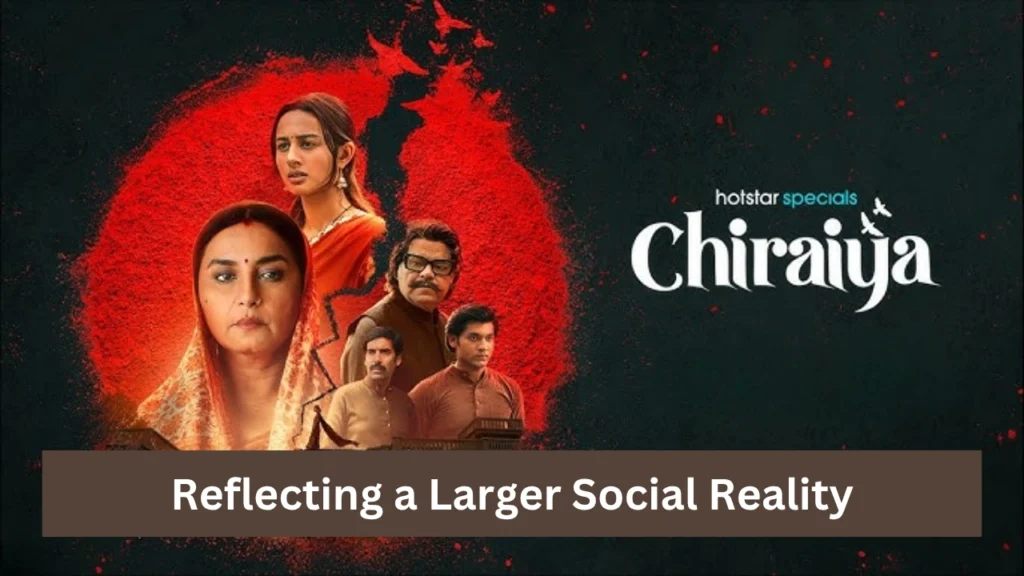
Chiraiya: Story That Asks the Question Many Homes Still Avoid: What Does Consent Mean Inside Marriage?
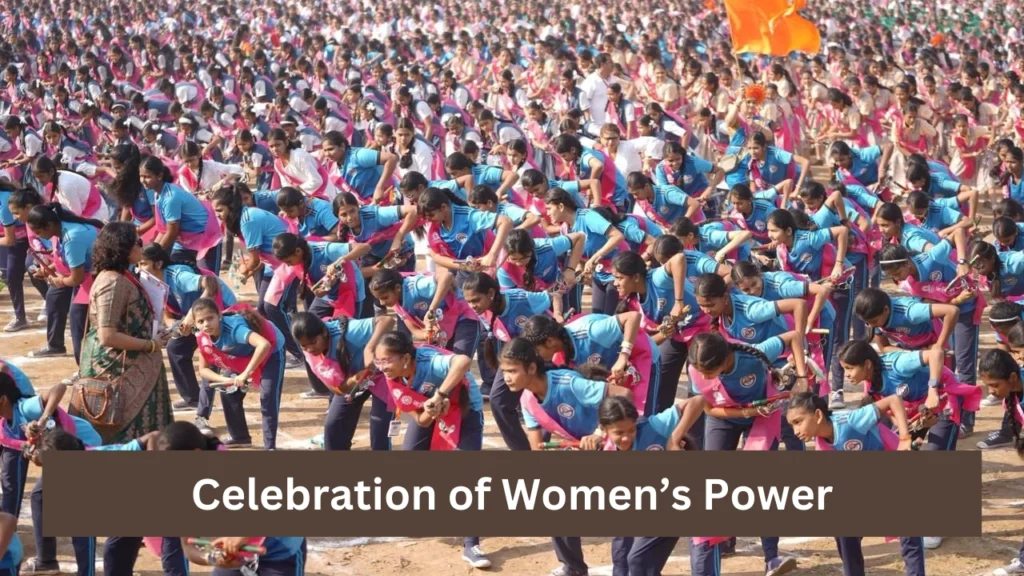
Dombivli Women Set Guinness Record with Massive Lezim Dance: Historic Celebration of Culture in 2026.

Rashmika Mandanna and Vijay Deverakonda’s Dream Wedding in 2026: Celebration of Love and Culture.
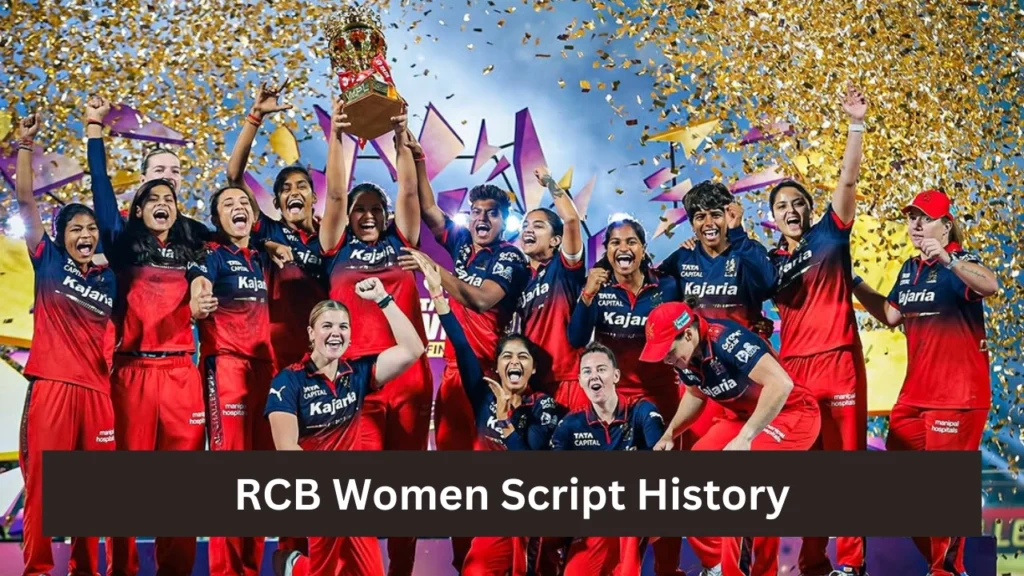
RCB Women Script History: 204 Run Chase, a Sisterhood of Fire, and a Crown That Sparkles Louder Than Ever.